
School Refusal Is More Common Than You Think
The morning meltdowns. The stomachaches that appear right at 7am. The tears, the bargaining, the days that start in crisis before they even begin. If your child is struggling to get to school — or has stopped going altogether — you are not alone, and this is not a parenting failure.
School refusal is a recognized clinical condition rooted in anxiety. It affects between one and five percent of all school-aged children, and in over 94% of cases it is linked to clinically significant anxiety or other mental health concerns. The good news: it responds well to treatment.
What is school refusal?
School refusal is not the same as truancy. Children who refuse school are not trying to get away with something or manipulate you. They are experiencing genuine emotional distress that makes attending feel impossible. Most are acutely aware their behavior is a problem, which adds shame and low self-esteem on top of an already overwhelming situation. It looks different depending on your child’s age.
Younger children
- Crying, clinging, or tantrums before school
- Stomachaches, headaches, or nausea with no medical cause
- Begging to stay home or hiding at departure time
- Separation anxiety that has worsened over time
Older children and teens
- Sleeping through alarms and refusing to get up
- Panic attacks in the morning or on the way to school
- Increasing absences that have become a pattern
- Withdrawal from friends and activities outside school
- Falling grades despite clear ability
What Causes School Refusal?
School refusal is almost always anxiety-driven, though the specific trigger varies from child to child. Understanding what is underneath is the essential first step, because treatment needs to target the root cause rather than just the behavior.
- Social anxiety and fear of judgement
- Separation anxiety
- Obsessive Compulsive Disorder (OCD)
- Attention Deficit Disorder (ADHD)
- Autism spectrum sensory or social difficulties
- Perfectionism or fear of failure
- Bullying or difficult peer relationships
- A major life change—move, divorce, or loss
- Depression
How We Treat School Refusal
We do not use a one-size-fits-all protocol because school refusal rarely has a one-size-fits-all cause. Treatment is tailored to each child and family.
94% of school attendance difficulties are linked to clinically significant anxiety or other mental health concerns — which means the right therapy targets the real cause, not just the symptom.
Evidence-based Support
Cognitive Behavioral Therapy (CBT)
CBT is the most well-researched treatment for school refusal. It helps children identify the anxious thoughts driving avoidance and gradually face feared situations through structured exposure. Research published in NIH found that CBT-based treatment reduced total absence from 76% before treatment to 27% at follow-up, with significant improvements in anxiety and depression for both children and parents. It is practical, skills-focused, and typically produces results within weeks rather than months. Most families see meaningful progress within six to twelve weeks.
SPACE therapy
Developed at the Yale Child Study Center, SPACE (Supportive Parenting for Anxious Childhood Emotions) is a parent-focused treatment that is especially valuable when a child refuses to engage in therapy directly. It works entirely through parents, so your child does not need to attend sessions for real progress to happen.
ERP and Play Therapy
For school refusal driven by OCD, Exposure and Response Prevention (ERP) is incorporated alongside CBT. For younger children, play therapy approaches help build the skills needed at a developmentally appropriate pace.
With convenient office locations in Palo Alto, Menlo Park, and San Jose, we proudly serve the entire Silicon Valley community – from Stanford University and the Peninsula to the South Bay, offering easy access for tech professionals, students, and families.
Recognizing Good Therapy



What Our Clients Are Saying…
Palo Alto Therapy does not just provide talk therapy, but focuses on teaching skills to maintain therapy. You have a genuine interest in the client’s well-being and you offered a new way of thinking about or means of addressing my issues.
What Our Clients Are Saying…
I liked the emphasis on doing concrete things to get results-writing down negative thoughts, trying to say things to counter those thoughts…Thank you for helping me make my life better.
What Our Clients Are Saying…
I found the homework exercises to be very helpful to me. I’ve been able to use techniques I have learned from those exercises to slow down my thoughts when problems arise and work through whatever the issue may be, OCD or otherwise.
Meet Our Team of Therapists in Palo Alto, Menlo Park, & San Jose working with School Refusal
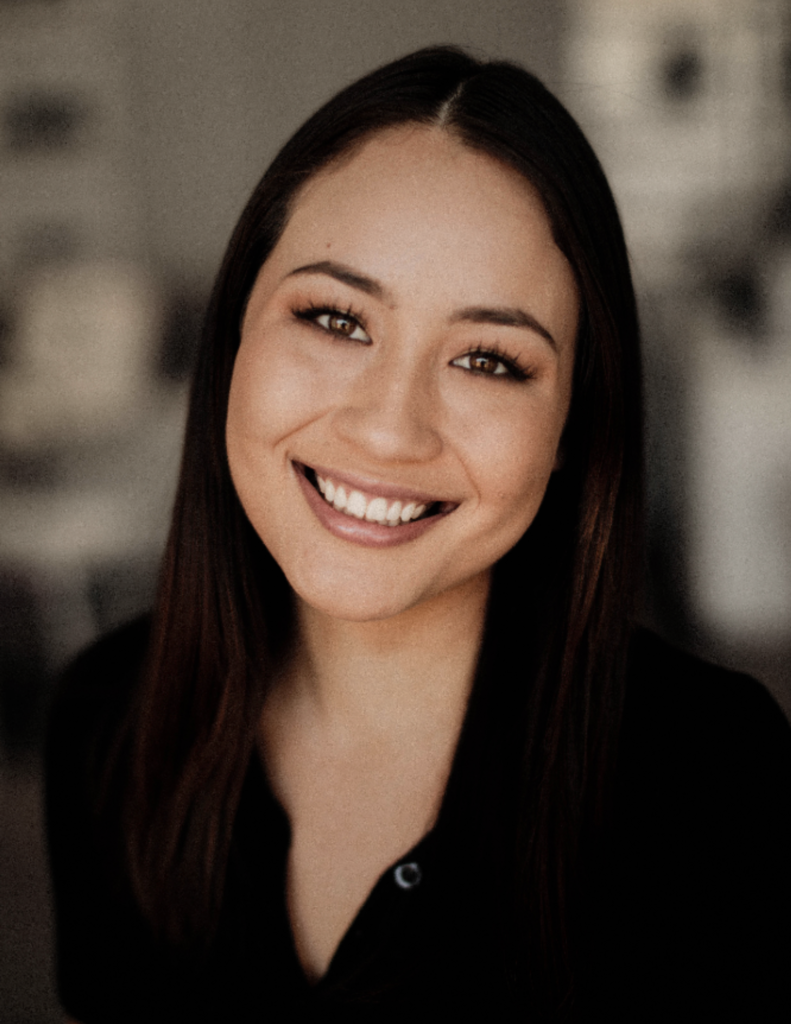
Lani Gingras, AMFT | Anxiety & OCD Therapist
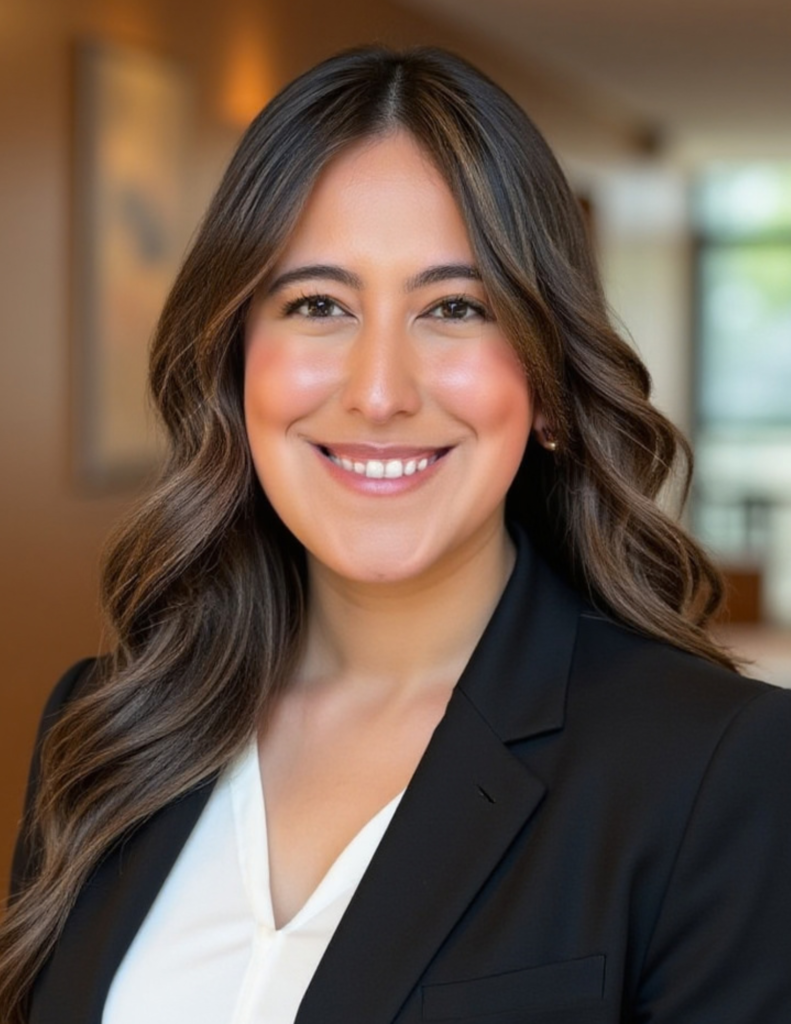
Vanessa Mendoza, AMFT | Couples, Family & Individual Therapist
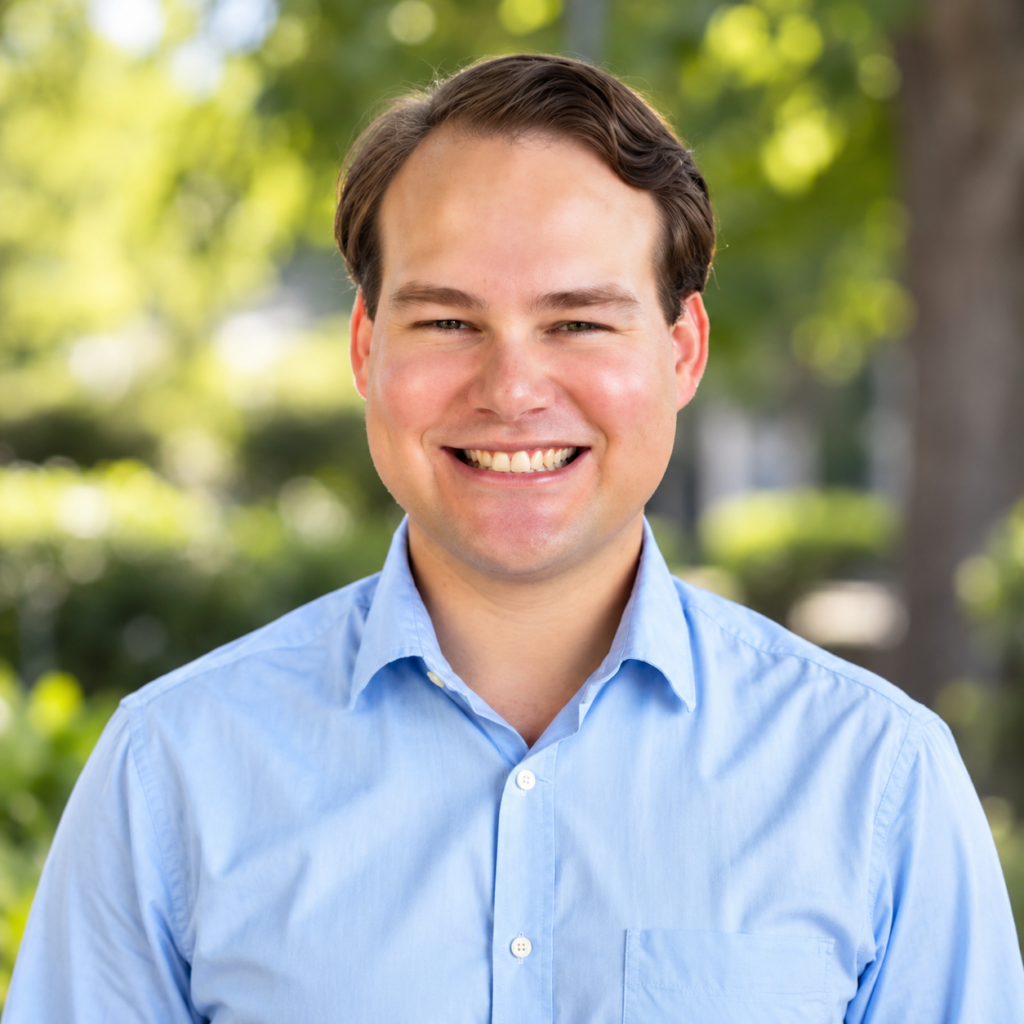
Brendan Bedolla, LPCC
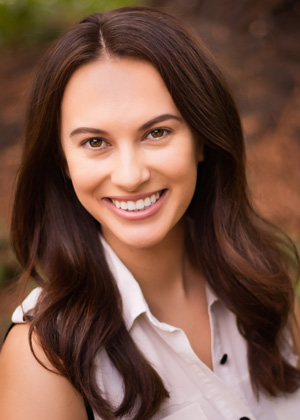
Amanda Stewart, LMFT
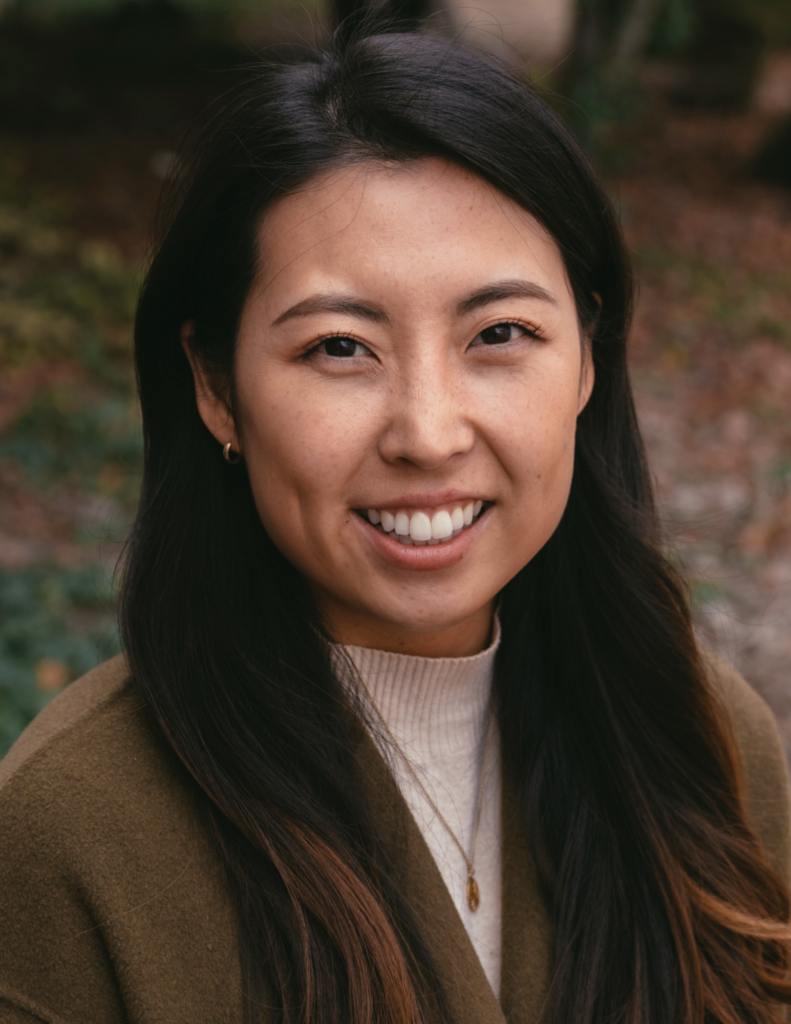
Hope Son, AMFT | Couples & Individual Therapist

Hong-Ha Vuong, AMFT, APCC
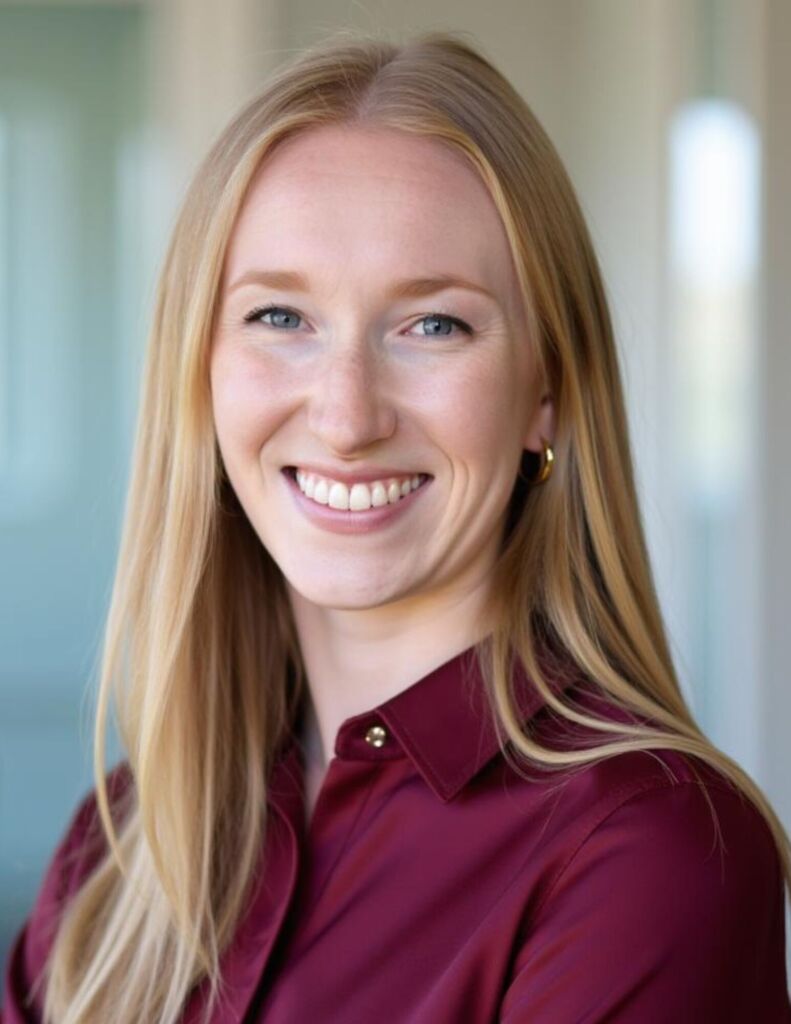
Hannah Bodin, AMFT
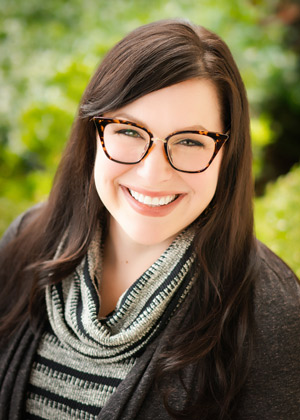
Jacquelyn “Jacqui” Lewis, LMFT, ATR-BC, CCTP, ACCTS
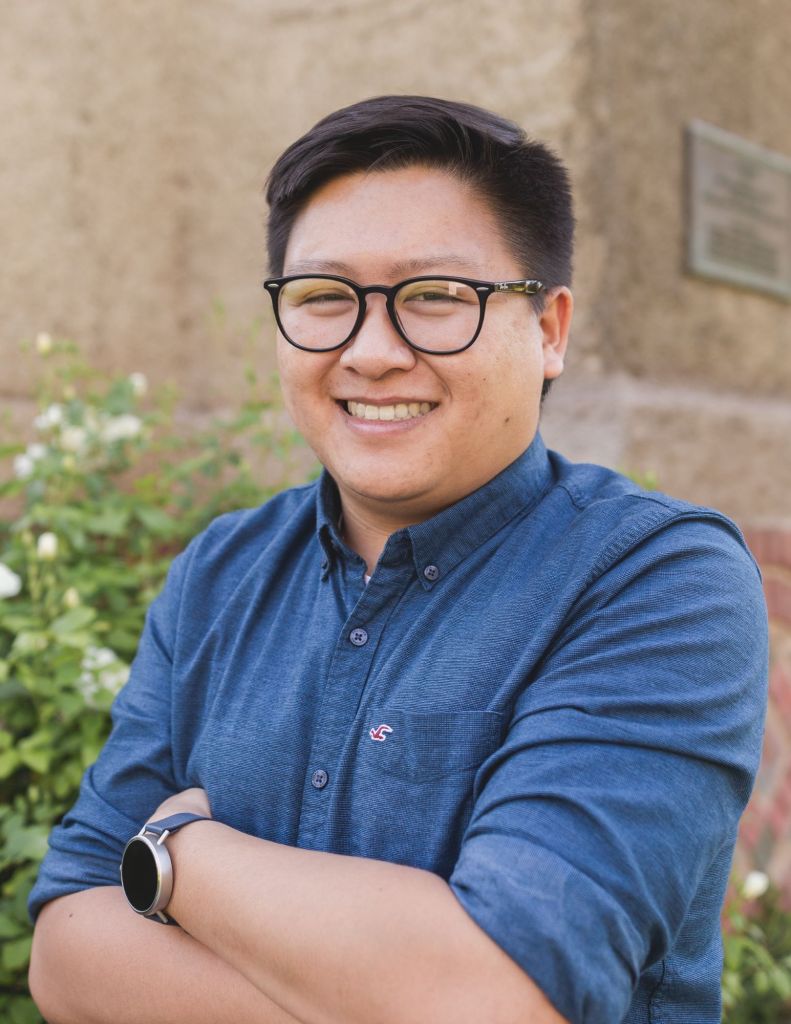
Michael Tran, LMFT
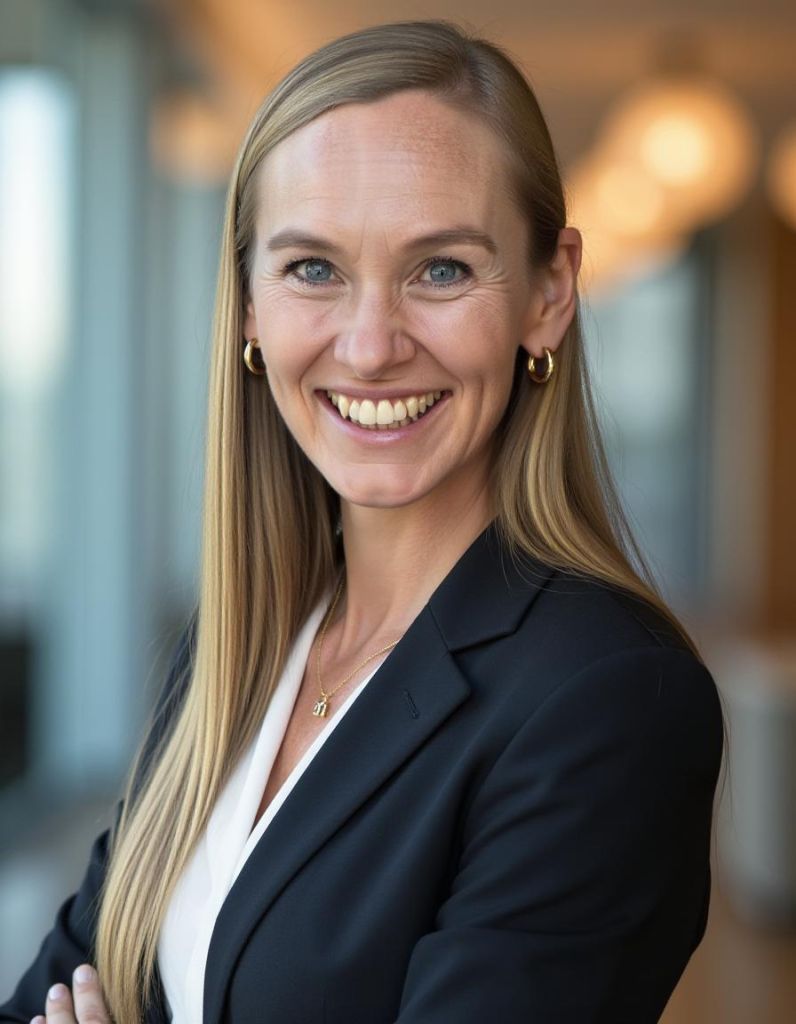
Sarah Covert, AMFT
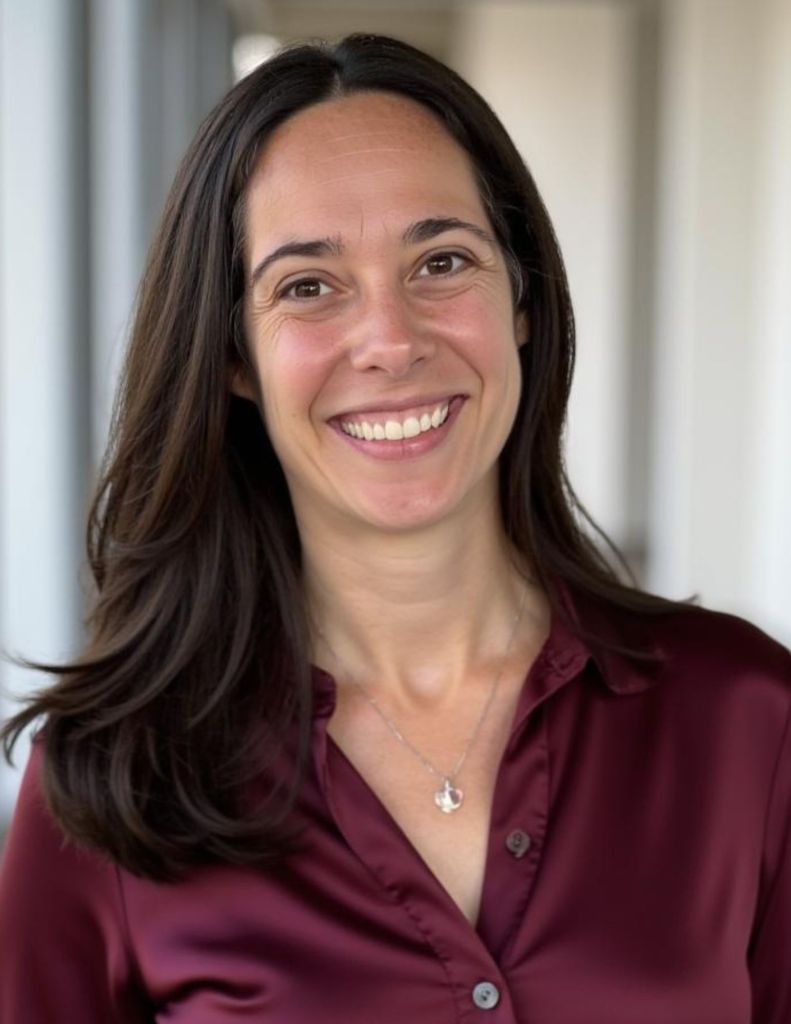
Laura Tolle, LMFT
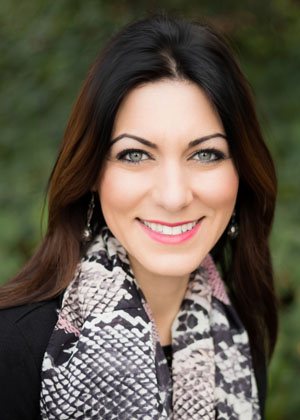
Bella Stitt, LMFT
We connect you with a therapist who specializes in school refusal – no guesswork. You get the right support immediately, before things get worse.