

Parent Coaching vs Child Therapy: How to Know What Your Child Actually Needs
If you’re looking for help for your child, you may be weighing two options and wondering where to start. Should your child work directly with a therapist, or would parent coaching be more effective?
Many families reach this point after trying to manage anxiety, emotional outbursts, school avoidance, or ongoing stress at home. When nothing seems to shift, it’s natural to want clarity rather than another guess.
The truth is that parent coaching and child therapy aren’t competing approaches. They help in different ways. Understanding how each works can make it much easier to choose a starting point and move forward with confidence.
Ready to schedule parent coaching in CA?
Contact us today for an appointment.

How Child Therapy Helps
Child therapy focuses on helping the child build emotional understanding and coping skills with the support of a trained clinician. Sessions are designed to help children recognize feelings, express themselves, and gradually face challenges in a safe, supportive setting. Child therapy often works best when a child can talk about emotions, even a little, is open to meeting with a therapist, and can practice skills between sessions. For many children, therapy provides a space that feels supportive and separate from daily family stress.
How Parent Coaching Helps
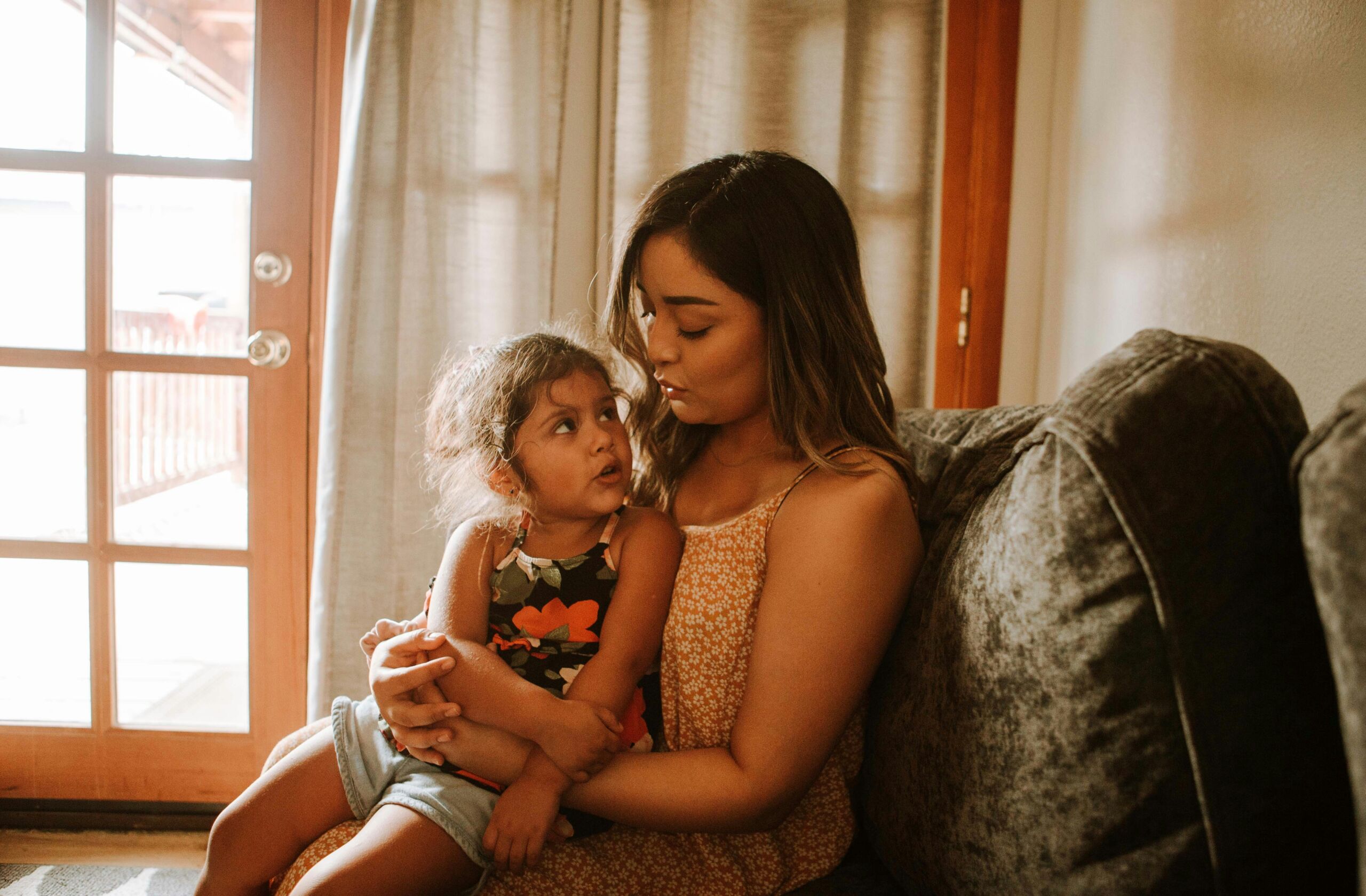
Parent coaching focuses on what happens outside the therapy room, specifically how parents respond to their child’s emotions, anxiety, and behavior day to day. Instead of asking the child to do all the emotional work alone, parents learn how small shifts in language, reassurance, and boundaries can reduce anxiety over time rather than unintentionally reinforcing it. In parent coaching, parents learn how to respond calmly during emotional escalation, reduce patterns that keep anxiety going, and support independence without withdrawing support. Parent coaching is active and practical and is especially helpful when a child is resistant to therapy or when challenges show up most strongly at home.

How to Decide Where to Start
Rather than trying to choose the right option, many families find it more helpful to ask a simpler question: where is change most likely to happen first? You might consider whether your child has words for what they’re feeling or whether emotions turn into shutdowns or meltdowns, whether most distress happens at home through avoidance, reassurance seeking, or power struggles, and whether you want to be actively involved in treatment or your child needs a space of their own right now. There is no permanent choice here. Many families begin with one approach and adjust as things evolve.

When Combining Parent Coaching and Child Therapy Helps Most
For some families, the most effective support comes from combining parent coaching and child therapy. When parents learn how to respond with consistency and confidence, children often feel safer and less overwhelmed. Therapy then becomes more productive, and progress is easier to maintain at home. This approach often reduces burnout for both parents and children and supports longer-lasting change.

Parent Coaching for Anxiety: The SPACE Method
One evidence-based approach commonly used in parent coaching for anxiety is SPACE, which stands for Supportive Parenting for Anxious Childhood Emotions. Rather than focusing on changing a child’s thoughts directly, SPACE helps parents reduce accommodations that keep anxiety in control, communicate confidence in their child’s ability to cope, and stay emotionally supportive without reinforcing avoidance. This approach is especially helpful when anxiety has become woven into daily routines or when children resist therapy.
Why This Approach Resonates with Local Families
Many families in this area experience high academic expectations, busy schedules, and constant pressure to perform. These realities can intensify childhood anxiety and make progress feel harder than it should be. Parent coaching offers a practical, family-centered way to create change within everyday life. Instead of placing the burden of improvement entirely on the child, it helps parents shape an environment where confidence and resilience can grow naturally. Parent coaching is not about fixing a child. It is about giving families tools that support growth, calm, and connection over time.
Not Sure Where to Start?
If you’re deciding between parent coaching, child therapy, or a combination of both, working with a clinician who understands all approaches can help you move forward with clarity instead of guesswork. We work with families in Palo Alto, Menlo Park, and San Jose. Contact us today to schedule a consultation and talk through what support may be the best fit for your family.
Talk to a child therapy specialist