ERP is the most well-supported therapy we have for OCD. Here’s what it is, why it works, and what it actually looks like when we do it together.
It involves gradually facing fears in a safe, supportive setting while learning to resist the urge to engage in compulsive behaviors. It works by teaching your brain that discomfort and uncertainty can be handled without relying on compulsions.
With ERP, everyday life can feel less overwhelming, leaving more time and energy for the people, activities, and experiences that matter most.
ERP at Palo Alto Therapy can help with:
-
Intrusive Thoughts and Unwanted Urges
-
Contamination Fears and Excessive Cleaning
-
Checking and Reassurance Seeking
-
Fear of Harm or Making Mistakes
-
Perfectionism and a Need for Certainty
-
Compulsive Rituals and Avoidance Behaviors
-
Anxiety Related to Obsessions and Compulsions
Who ERP Helps
Let’s make scheduling the easy part
Call (650) 461-9026
Text (650) 461-9026
Book a Free 15-Minute Consultation
Children
ERP helps children face fears, reduce repetitive behaviors, and build confidence handling uncomfortable feelings without relying on rituals or reassurance.
Teens
ERP helps teens manage intrusive thoughts, resist compulsions, and navigate school, friendships, and growing independence without OCD interfering with daily life.
Adults
ERP helps adults break cycles of obsessions and compulsions, tolerate uncertainty, and regain time and energy for relationships, work, and personal goals.
First, a quick word on OCD
OCD isn't about being tidy or liking things a certain way. It's a pattern where your mind throws up an unwanted thought, image, or urge (an obsession) that brings a wave of anxiety, disgust, or a feeling that something is "not right." To make that feeling go away, you do something (a compulsion): washing, checking, asking for reassurance, repeating a phrase in your head, avoiding certain places.
The compulsion works, a little, for a little while. And that's the trap. Every time it brings relief, your brain learns that the thought really was dangerous and that the ritual is what kept you safe. So the thought comes back louder next time.
So what is ERP?
Exposure and Response Prevention is a type of cognitive behavioral therapy built specifically for this cycle. The name tells you the two parts:
On purpose, and a step at a time, you face the thoughts, situations, or objects that set off your OCD.
Then you practice not doing the compulsion. No washing, checking, or reassurance. You let the feeling be there.
When you sit with the discomfort instead of neutralizing it, a few things happen. The anxiety tends to crest and then come down on its own. Your brain gets new information: the feared thing didn't happen, or you handled the uncertainty better than you expected. Over many practices, the thoughts lose their grip. They may still show up, but they stop running the show.
The goal isn't to never have the thought again. It's to have it and not need to do anything about it.
How we use it in treatment
ERP is collaborative. Nobody is going to spring anything on you, and you're always the one who decides to do each exposure. Here's roughly how it goes.
Getting to know your OCD
The first sessions are about understanding your specific obsessions, the compulsions that go with them (including the mental ones that are easy to miss), and what you avoid. We often use a standard measure like the Y-BOCS so we can track change over time.
Learning the model
We talk through why compulsions keep OCD going and why facing fear actually helps. Treatment makes much more sense, and feels much less scary, when you understand the "why."
Building your exposure ladder
Together we list situations that trigger your OCD and rate how hard each one would be on a 0–100 scale (called SUDS, for Subjective Units of Distress). That becomes your roadmap.
Practicing exposures
We start somewhere in the moderate range, usually around 30–40, and work upward. Many exposures happen in session first with me alongside you. Then you practice between sessions, because that's where most of the change actually happens.
Cutting back rituals in daily life
Alongside planned exposures, we gradually reduce compulsions in your everyday routine. Sometimes that's all at once, sometimes it's step by step. We figure out what's realistic for you.
Planning for the long run
Toward the end we focus on keeping your gains: spotting early signs of OCD creeping back, and knowing how to run your own exposures when it does. The aim is for you to become your own ERP coach.
What a ladder can look like
Every ladder is personal. Here's an example for someone whose OCD centers on fear of germs and getting sick.
OCD comes in many forms: harm thoughts, "just right" feelings, religious or moral fears, relationship doubts, intrusive sexual thoughts, and more. ERP works across all of them. For fears that can't be acted out, we use things like written scripts, recordings, or imagined scenarios.
Does it work?
Yes, for most people. ERP has decades of research behind it and is recommended as a first-line treatment for OCD by groups like the American Psychiatric Association and the International OCD Foundation. Most people who stick with it see a real drop in their symptoms, and many get to a point where OCD is a minor background noise instead of the thing organizing their day.
A typical course runs somewhere around 12 to 20 weekly sessions, though it varies a lot depending on how severe things are and how much practice happens between sessions. Some people do better with more intensive schedules. ERP can also be combined with medication, often an SSRI, when that makes sense.
Things people often worry about
- You're going to make me do the scariest thing right away.
- No. We build up gradually, and you agree to every exposure before we do it. Hard is part of it, but overwhelming isn't the goal.
- If I stop my rituals, the bad thing will happen.
- That's exactly what OCD tells you, and it's what ERP lets you test. You don't have to believe it'll be fine before you start. You just have to be willing to find out.
- I've tried talk therapy and it didn't help.
- That's really common. General talk therapy and reassurance can accidentally feed OCD. ERP is a different, more active approach that targets the cycle directly.
- My compulsions are all in my head, so this won't apply to me.
- Mental rituals like reviewing, praying, counting, or "cancelling out" thoughts are compulsions too, and ERP works on them the same way.
If you're thinking about starting
It's normal to feel nervous about ERP. Most people do. That nervousness is usually a sign you're looking at exactly the right thing. You don't have to feel ready, just curious enough to take the first step.
If you have questions about whether ERP is a good fit for you or someone you care about, bring them to your next session or reach out to us directly.
Recognizing Good Therapy

Evidence-Based
Specializing in Cognitive Behavioral Therapy, we provide effective & caring counseling. Our therapists are passionate in delivering high-quality therapy & enhance their skills through the latest trainings.

Strong Relationships
Our relationship with you is valued & of highest importance. We are compassionate, respectful, & honest. Our professional counseling includes working side by side with you towards YOUR goals.

Short-Term & Focused
Our active therapists use tailored homework exercises to help you find relief in a timely manner. By keeping our meetings on track & targeting specific concerns we help you enjoy life again, usually in a matter of months not years.

Client Convenience
Appointments after 5pm & Saturdays, friendly administrative staff, & three locations: Palo Alto, Menlo Park, & San Jose. We help children, teens & adults, couples, & families. Video therapy available!

What Our Clients Are Saying…
Palo Alto Therapy does not just provide talk therapy, but focuses on teaching skills to maintain therapy. You have a genuine interest in the client’s well-being and you offered a new way of thinking about or means of addressing my issues.
What Our Clients Are Saying…
I liked the emphasis on doing concrete things to get results-writing down negative thoughts, trying to say things to counter those thoughts…Thank you for helping me make my life better.
What Our Clients Are Saying…
I found the homework exercises to be very helpful to me. I’ve been able to use techniques I have learned from those exercises to slow down my thoughts when problems arise and work through whatever the issue may be, OCD or otherwise.
Meet Our Team of ERP Therapists in Palo Alto, Menlo Park, & San Jose

Lani Gingras, AMFT | Anxiety & OCD Therapist
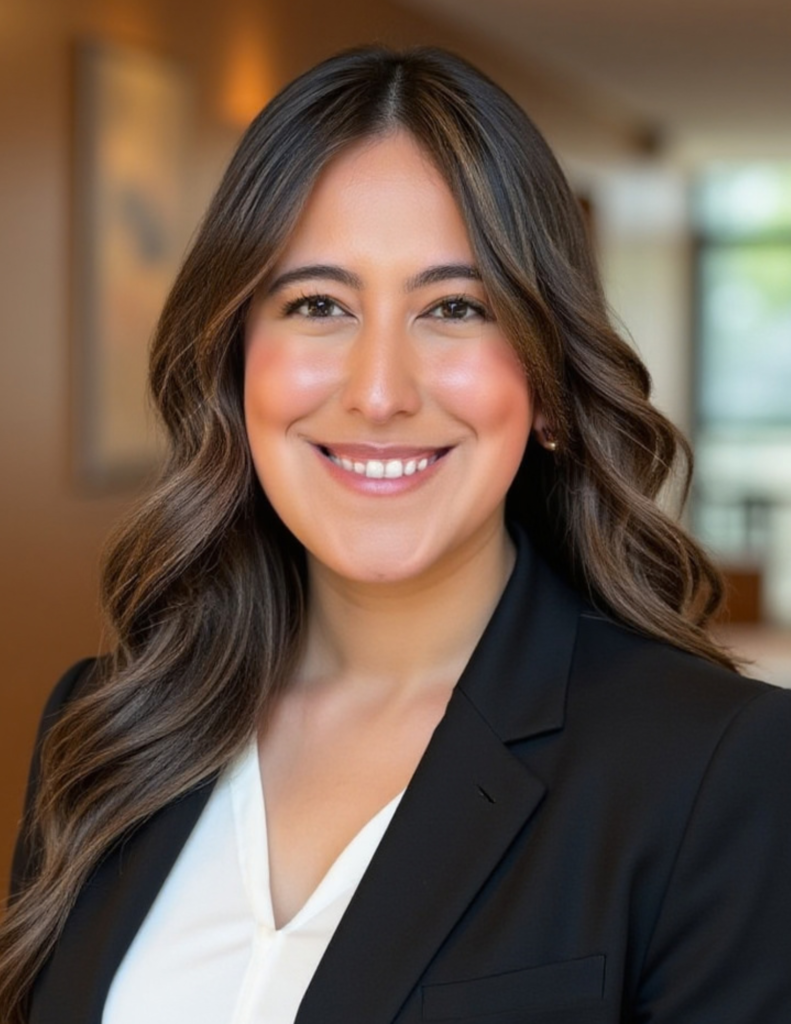
Vanessa Mendoza, AMFT | Couples, Family & Individual Therapist

Amanda Stewart, LMFT

Hope Son, AMFT | Couples & Individual Therapist

Hong-Ha Vuong, AMFT, APCC
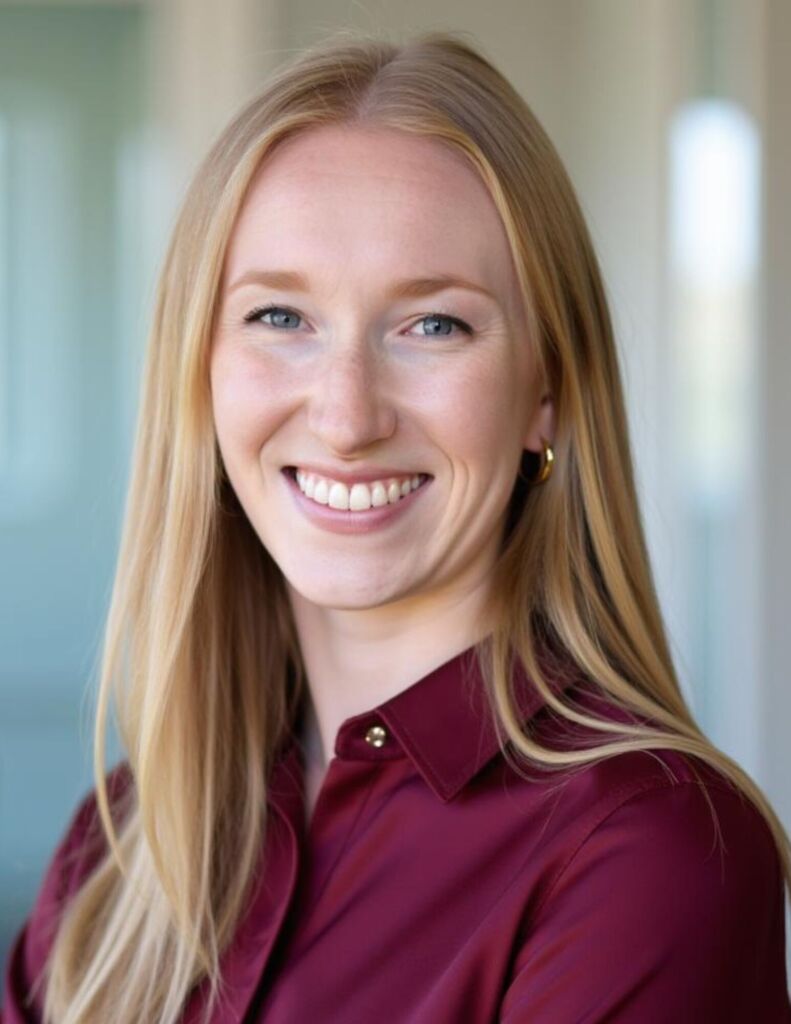
Hannah Bodin, AMFT
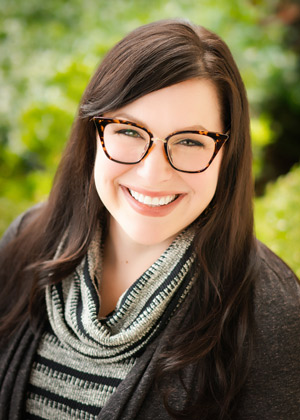
Jacquelyn “Jacqui” Lewis, LMFT, ATR-BC, CCTP, ACCTS

Michael Tran, LMFT
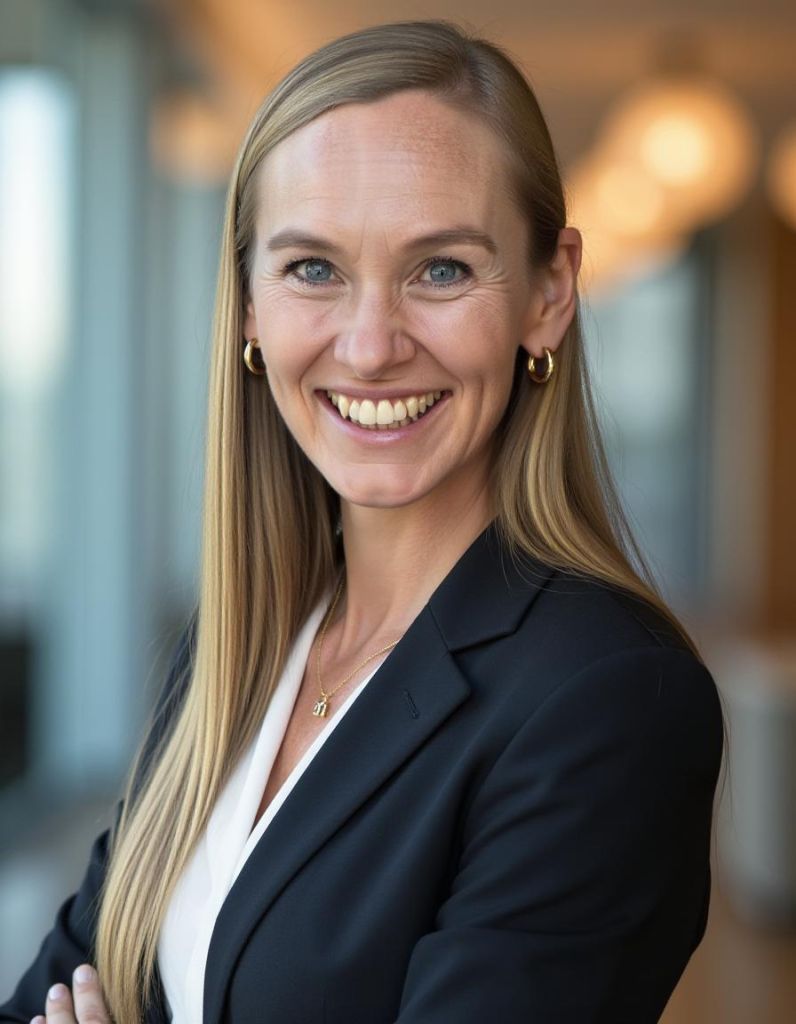
Sarah Covert, AMFT
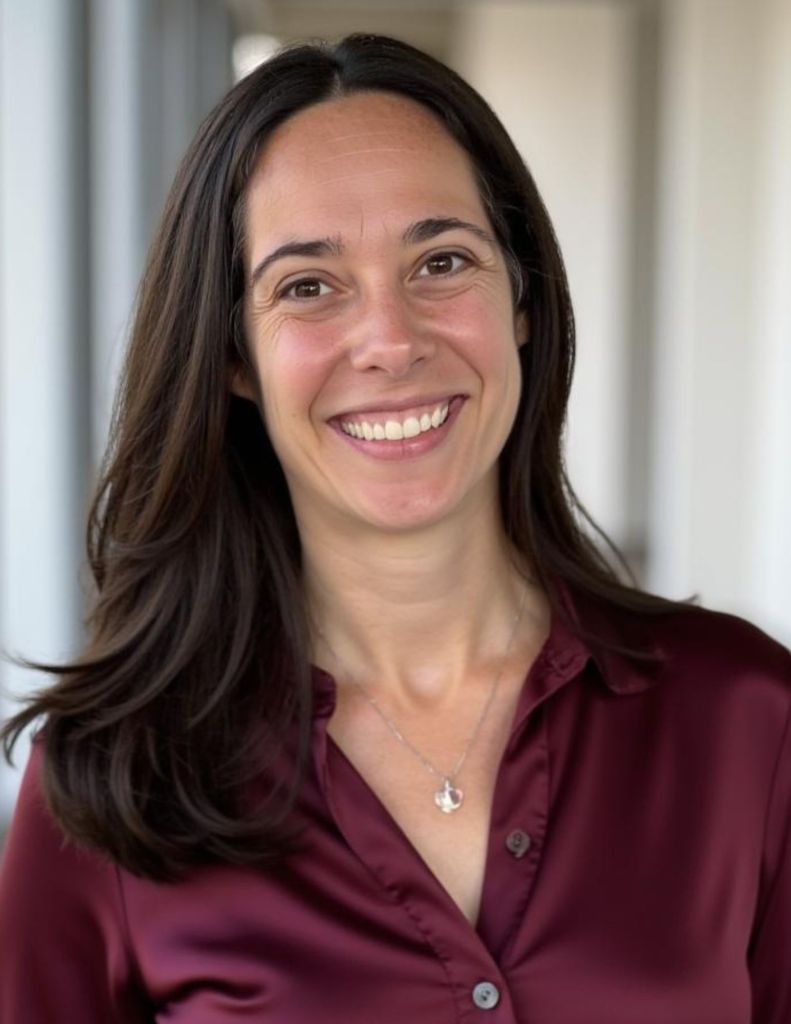
Laura Tolle, LMFT
Bella Stitt, LMFT