Reviewed by
Appointments Available Now: In-Person or Telehealth


Starting couples therapy takes courage. You’ve decided things need to change, and that’s no small thing.
But for a lot of couples, that hope runs into a wall. Sessions feel like a structured version of the same argument you have at home. You leave exhausted, not closer. Maybe you’ve even tried therapy before and walked away more discouraged than when you started.
That experience is more common than most people realize — and it rarely means the relationship is beyond repair.
The truth is that couples therapy can be genuinely transformative, but not all approaches work the same way. When it stalls, something specific is usually missing: structure, emotional depth, or a framework designed to actually shift the underlying dynamic rather than just manage the surface conflict.
At Palo Alto Therapy, we regularly work with couples in Palo Alto, Menlo Park, and San Jose who aren’t resistant to therapy — they’re discouraged because previous attempts left them feeling stuck. Here’s what we’ve found actually makes the difference.
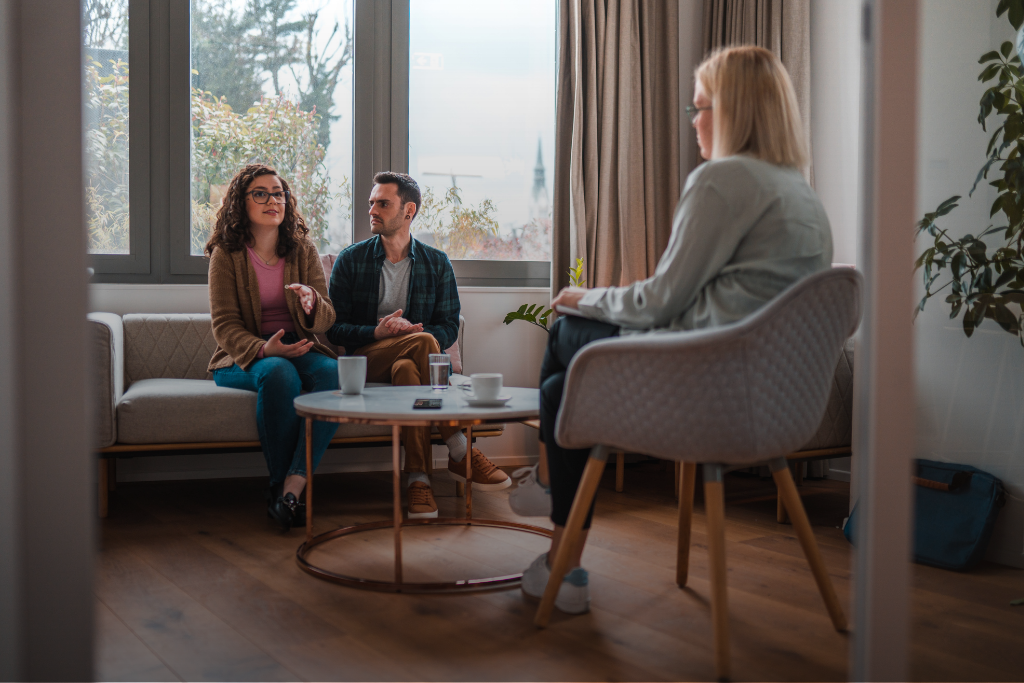
Yes — but the research is more nuanced than a simple yes or no.
Emotionally Focused Therapy (EFT), one of the most studied couples therapy models, shows recovery rates of around 70–75% for distressed couples, with significant improvements in relationship satisfaction. The Gottman Method similarly has strong research support built on decades of observational studies.
The catch is that outcomes depend heavily on how therapy is conducted, not just whether you go. Which brings us to the reasons it sometimes doesn’t.
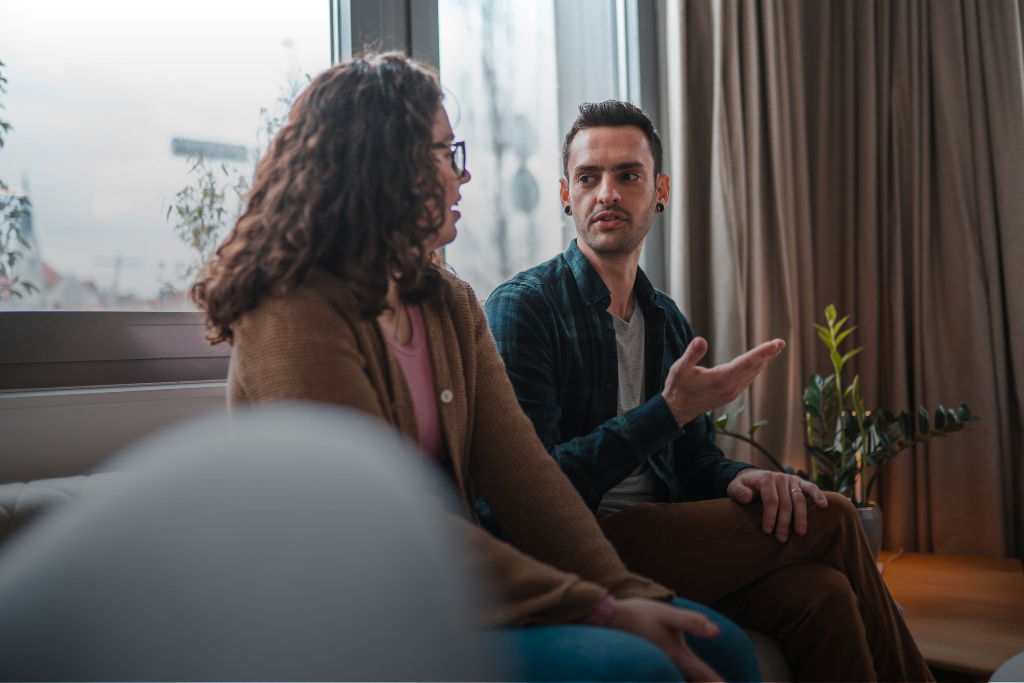
This is probably the most common reason couples therapy fails to move the needle.
Both partners arrive with their version of events. The therapist tries to be fair to both sides. And somehow an hour passes where you’ve debated the dishes, the in-laws, and who said what in October — and nothing has actually shifted.
Replaying arguments in a therapist’s office doesn’t heal the pattern underneath them. It just gives the pattern a more expensive venue.
Effective therapy slows things down enough to look at what’s driving the cycle — the fears, the unmet needs, the moments where one person shuts down and the other escalates. That’s where the real work happens.
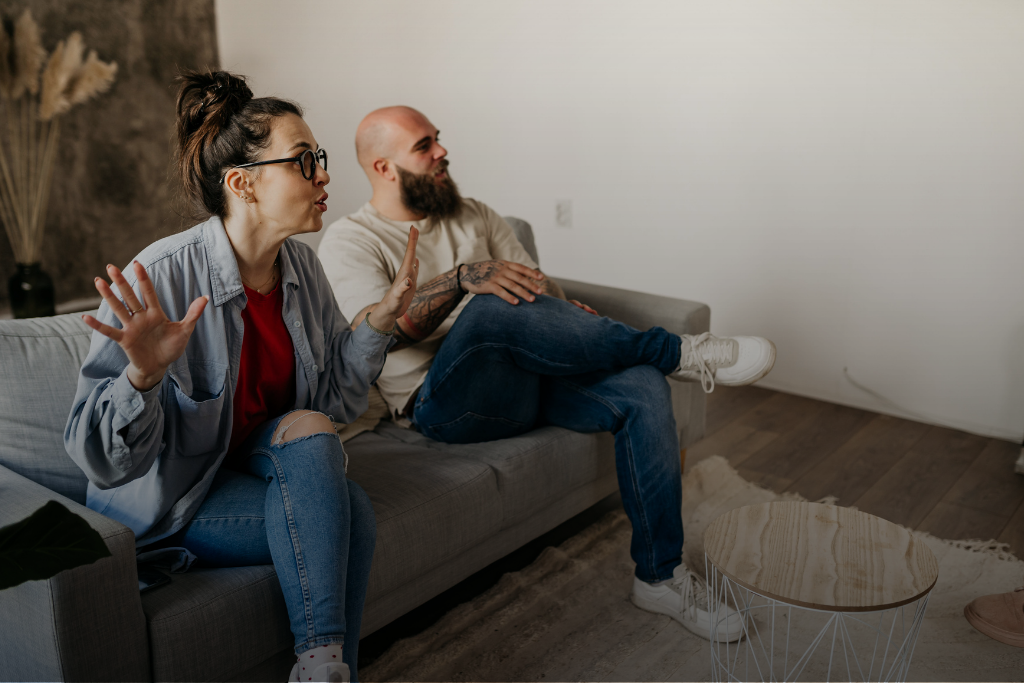
A lot of couples come in thinking the problem is communication. And communication absolutely matters. But “communication problems” are often a symptom, not the root cause.
When people feel emotionally unsafe, unseen, or chronically misunderstood by their partner, conversations naturally become reactive. It’s not that they lack the skills to communicate — it’s that the emotional ground beneath the relationship feels unstable.
Evidence-based models address this directly. EFT focuses on the attachment bond underneath relationship distress, helping partners identify the emotional needs and fears shaping how they interact. The Gottman Method works on understanding recurring conflict patterns, strengthening repair attempts, and rebuilding genuine emotional connection.
Teaching communication techniques to a couple that feels emotionally disconnected is a bit like handing someone a map when what they actually need is to want to go to the same destination.
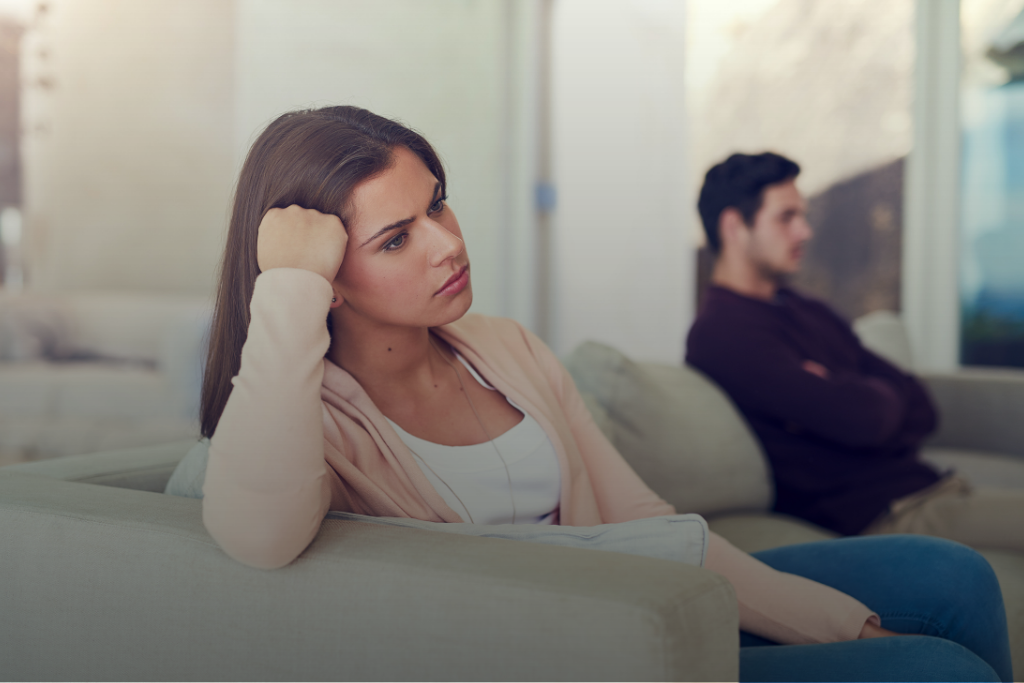
For therapy to work, both people need to feel emotionally safe in the room.
When one partner consistently leaves sessions feeling like the identified problem — the one who needs to change, the one being analyzed — therapy quickly becomes another extension of the conflict rather than a space to move through it.
This is especially important in high-conflict situations, after betrayal or infidelity, or in relationships where one person tends to withdraw and the other pursues. A skilled therapist holds both people’s experience simultaneously while also actively guiding the conversation — not just moderating it.
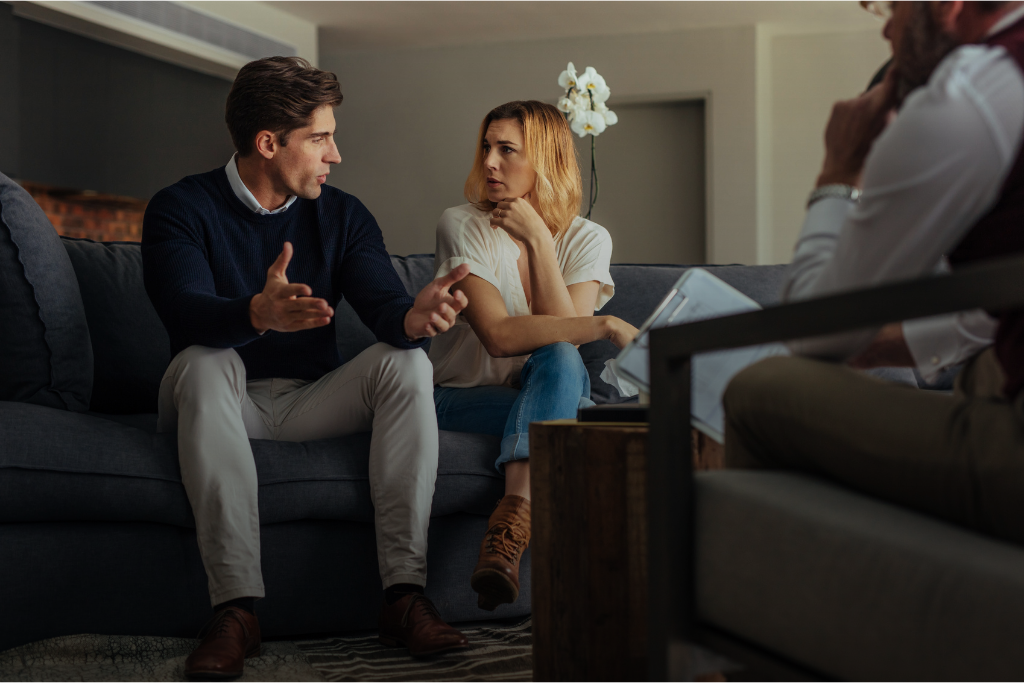
Effective couples work isn’t passive. The therapist needs to interrupt destructive cycles in real time while keeping enough emotional safety in the room for both people to try something different.
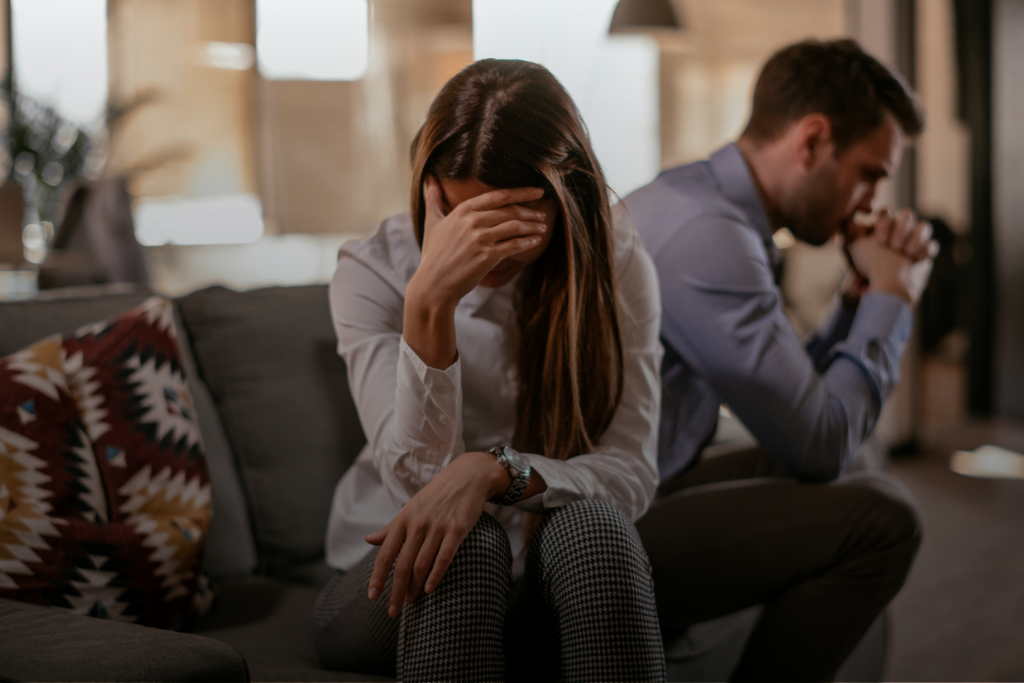
There’s no shame in waiting — most couples do. On average, couples experience relationship distress for six or more years before seeking professional help.
But by the time many couples arrive in therapy, significant damage has accumulated. Resentment has calcified. One or both partners may be emotionally checked out. The default assumption going into any conversation may already be that it will go badly.
None of that makes recovery impossible. Many couples rebuild after profound disconnection. But the longer distress goes unaddressed, the harder repair becomes — and the more work there is to do before therapy can start actually building something new.
If your relationship is relatively stable but you’ve noticed the same arguments cycling on repeat, or emotional distance quietly growing, that’s actually the ideal time to seek support. You’ll have more goodwill to work with and more capacity to be vulnerable with each other.
Not all therapists who see couples are trained in evidence-based couples therapy. General talk therapy skills don’t automatically translate to working effectively with two people in an intimate relationship — that’s a distinct clinical competency.
Some couples need focused work on de-escalating conflict cycles. Others need help processing a specific rupture, like infidelity or a period of emotional neglect. Others are dealing with mismatched needs around intimacy, parenting, or major life transitions.
The approach should fit the relationship. When it doesn’t, therapy can feel vague, repetitive, or like it’s circling something without ever landing.

When the right approach is in place, couples often notice changes outside the therapy room before they can fully articulate what’s shifted.
Arguments still happen — but they feel less catastrophic. Emotional reactions start making more sense to both partners. A hard conversation goes differently than it would have six months ago. There’s a small but real sense that you’re working on the same team again.
Over time, that builds. Trust deepens. The relationship becomes more resilient — not because conflict disappears, but because you both get better at finding your way back to each other after it.
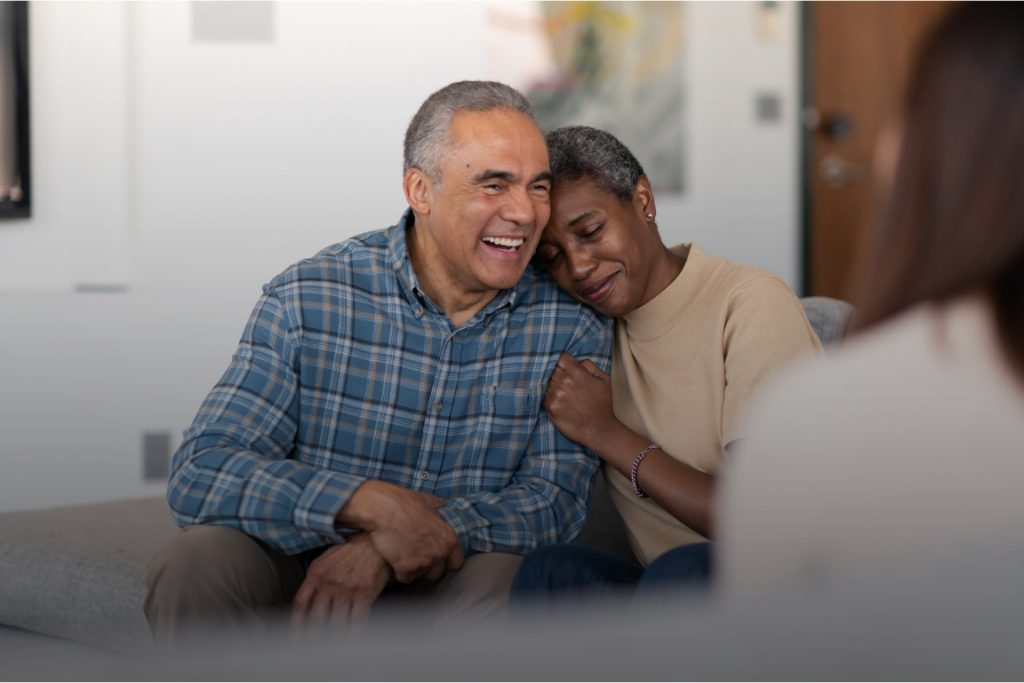
Our therapists use evidence-based approaches — including Emotionally Focused Therapy and the Gottman Method — tailored to what each couple actually needs. We work with couples across Palo Alto, Menlo Park, and San Jose who are navigating everything from long-standing distance to recent betrayal to the slow drift that comes with kids, career pressure, and life getting in the way.
If previous therapy left you feeling like nothing changed, that’s worth examining — not as evidence the relationship can’t improve, but as information about what kind of support might actually help.
Ready to try a different approach? Schedule a free 15 minute consultation with our intake specialist.
How long does couples therapy typically take? Most couples start noticing meaningful shifts within 8–12 sessions, though deeper relational change often takes longer. The timeline depends heavily on the complexity of the issues and how long distress has been building.
Can couples therapy work if only one partner wants to go? It’s more effective when both partners are engaged, but one person attending can still create change. Individual therapy focused on relationship patterns can shift the dynamic even when the other partner isn’t in the room.
Is it too late to start couples therapy? Rarely. Even couples who have experienced significant disconnection or betrayal can rebuild. The important thing is that both partners have some willingness to try — the therapist’s job is to create the conditions where that’s possible.
What’s the difference between EFT and the Gottman Method? Both are evidence-based. EFT focuses primarily on the emotional attachment bond and the cycles of disconnection that form when partners feel unsafe with each other. The Gottman Method emphasizes understanding conflict patterns, building friendship and intimacy, and strengthening the relationship’s foundation. Many therapists integrate elements of both.
Palo Alto Therapy serves individuals, couples, and families in Palo Alto, Menlo Park, Los Altos, Mountain View, and San Jose. Our couples therapists are trained in evidence-based models and take a collaborative, non-blaming approach to relationship work.
You Might Also Like to Read: