
Reconnect. Rebuild Trust. Strengthen Your Relationship.
Every relationship goes through difficult seasons. You may find yourselves having the same arguments over and over, feeling emotionally disconnected, struggling after infidelity, or wondering whether your relationship can recover.
Why Choose Palo Alto Therapy for Couples Counseling?
Choosing a couples therapist is an important decision. At Palo Alto Therapy, we combine evidence-based treatment with thoughtful therapist matching to help couples make meaningful, lasting progress. Every relationship is different, so we tailor therapy to your unique goals, challenges, and strengths.
When you work with us, you can expect:
Evidence-based care. Our clinicians use proven approaches including the Gottman Method and Emotionally Focused Therapy (EFT), adapting treatment to your relationship’s specific needs.
Collaborative clinical excellence. Our therapists participate in ongoing consultation and advanced training, ensuring you receive high-quality, evidence-based care grounded in current best practices.
Specialists in relationship challenges. Whether you’re navigating communication problems, recurring conflict, parenting stress, emotional distance, or affair recovery, we’ll match you with a therapist experienced in the issues that matter most to your relationship.
Whether you’re hoping to rebuild trust after infidelity, improve communication, reconnect emotionally, or decide on the healthiest path forward together, we’re here to help.
We Know This Community
Our three offices serve the heart of Silicon Valley — professionals, founders, parents, and students navigating one of the most demanding environments in the country. We understand what it means to be in a relationship where both partners are under significant career pressure, where schedules are genuinely hard to align, and where asking for help can feel like admitting failure.
It isn’t. Couples therapy is one of the most direct investments you can make in something that affects every other part of your life.
Our Palo Alto office is convenient from downtown and Stanford. Our Menlo Park office is easily accessible from Sand Hill Road and the Meta campus. Our San Jose office serves couples throughout the South Bay. All locations offer free parking and easy access from major highways and Caltrain. Evening and Saturday appointments are available at all three.
Starting couples therapy can feel overwhelming, especially if you’re unsure what to expect. Our care coordinators are here to answer your questions, learn about your relationship, and match you with the therapist who is the best fit for your needs.
Whether you’re looking to rebuild trust after infidelity, improve communication, navigate a major life transition, or simply reconnect, we’ll help you take the next step with confidence. Book a free 15 minute consultation with our intake specialist to be matched to a couples therapist.
How We Work
We use two of the most thoroughly researched approaches to couples therapy available.
We don’t believe every couple fits into the same therapeutic approach. After understanding your relationship and goals, your therapist will tailor treatment using evidence-based methods that best fit your needs.
The Gottman Method
Based on decades of research on what actually makes relationships succeed or fail, the Gottman Method helps couples identify the patterns eroding their connection — criticism, defensiveness, contempt, stonewalling — and replace them with practical skills. We use it to help partners manage conflict more productively, deepen friendship, and build a relationship that feels secure and meaningful for both people.
Emotionally Focused Therapy (EFT)
EFT helps couples go beneath the surface of their arguments to understand the deeper emotional needs and attachment patterns driving the conflict. When both partners can identify what they’re actually feeling — and feel safe enough to hear each other — real connection becomes possible again. EFT is particularly effective for couples dealing with distance, cycles of conflict that never fully resolve, and recovering from betrayal.
Flexible In-Person & Telehealth Options
We offer couples therapy at our Palo Alto, Menlo Park, and San Jose offices, as well as secure video sessions for couples who prefer to meet remotely or have busy schedules. Evening and Saturday appointments are available to make it easier to prioritize your relationship without adding more stress to your week.
Affair Recovery and Betrayal Trauma
Infidelity is one of the most common reasons couples come to us — and one of the most disorienting experiences a relationship can go through. When an affair is discovered, it doesn’t just create conflict. It destabilizes the foundation of what both partners thought was real.
Many people are surprised by how consuming the aftermath feels. Intrusive thoughts, difficulty concentrating, hypervigilance, emotional swings that seem disproportionate — these aren’t signs of weakness. They’re a recognizable response to a specific kind of relational injury, and they have a name: betrayal trauma.
Our therapists don’t push couples toward a particular outcome. Some partners come in certain they want to rebuild — others aren’t sure. Both are valid starting points. What we offer is a structured, evidence-based process that helps both people understand what happened, process the emotional impact, and make clearer decisions about what comes next.
For the injured partner, this means having space to express the full weight of what they’re carrying — without being rushed toward forgiveness or resolution before they’re ready. For the partner who broke trust, it means developing the capacity for sustained accountability, not just remorse.
Using Emotionally Focused Therapy (EFT) and the Gottman Method, we help couples move from crisis toward clarity — and for many, toward a relationship that is ultimately more honest and more secure than before.
If you’re considering couples therapy after an affair, you can learn more about what to expect or call us directly at (650) 461-9026.
Why Choose Palo Alto Therapy for Couples Counseling


Strong Relationships
Relationships can feel exhausting when communication breaks down or the same arguments keep happening without resolution. We work side by side with both partners in a respectful and supportive way so couples can feel more understood, connected, and hopeful about the future.


Client Convenience
We offer evening and Saturday appointments, a supportive administrative team, and three Bay Area locations to make couples therapy easier to fit into busy schedules. With in-person and secure video therapy available, getting support together can feel more manageable from the start.
With convenient office locations in Palo Alto, Menlo Park, and San Jose, we proudly serve the entire Silicon Valley community – from Stanford University and the Peninsula to the South Bay, offering easy access for tech professionals, students, and families.
Common Questions
It helps, but one person being uncertain is common and doesn’t mean therapy won’t work. Many couples start with one partner more hesitant than the other. What matters most is a willingness to show up.
Yes — and research supports this. Many couples who go through infidelity and do the work describe their relationship afterward as more honest and connected than it was before. Outcomes depend on what both people are willing to engage with, not on how serious the betrayal was.
Most couples notice real shifts within a few months. Couples therapy tends to be more focused and goal-directed than individual therapy. We’ll give you a realistic picture at your first appointment based on what you’re dealing with.
Yes. Individual therapy to work through relationship issues — including infidelity and betrayal trauma — is something we do regularly. Sometimes one person doing the work creates enough change that a partner becomes willing to engage over time.
That’s exactly the kind of uncertainty therapy can help with. You don’t need to have decided anything before you start. Many couples come in not knowing whether they want to stay or go, and the clarity they need comes through the process.
Yes. We offer weekday evenings and Saturday appointments at all three locations specifically because we know scheduling is a real barrier for couples with demanding careers.

What Our Clients Are Saying…
Palo Alto Therapy does not just provide talk therapy, but focuses on teaching skills to maintain therapy. You have a genuine interest in the client’s well-being and you offered a new way of thinking about or means of addressing my issues.
What Our Clients Are Saying…
I liked the emphasis on doing concrete things to get results-writing down negative thoughts, trying to say things to counter those thoughts…Thank you for helping me make my life better.
What Our Clients Are Saying…
I found the homework exercises to be very helpful to me. I’ve been able to use techniques I have learned from those exercises to slow down my thoughts when problems arise and work through whatever the issue may be, OCD or otherwise.
Ready to Take the First Step? Every relationship experiences challenges. Whether you’re hoping to reconnect, recover after betrayal, improve communication, or simply understand each other better, we’re here to help. Schedule your free 15-minute consultation today.
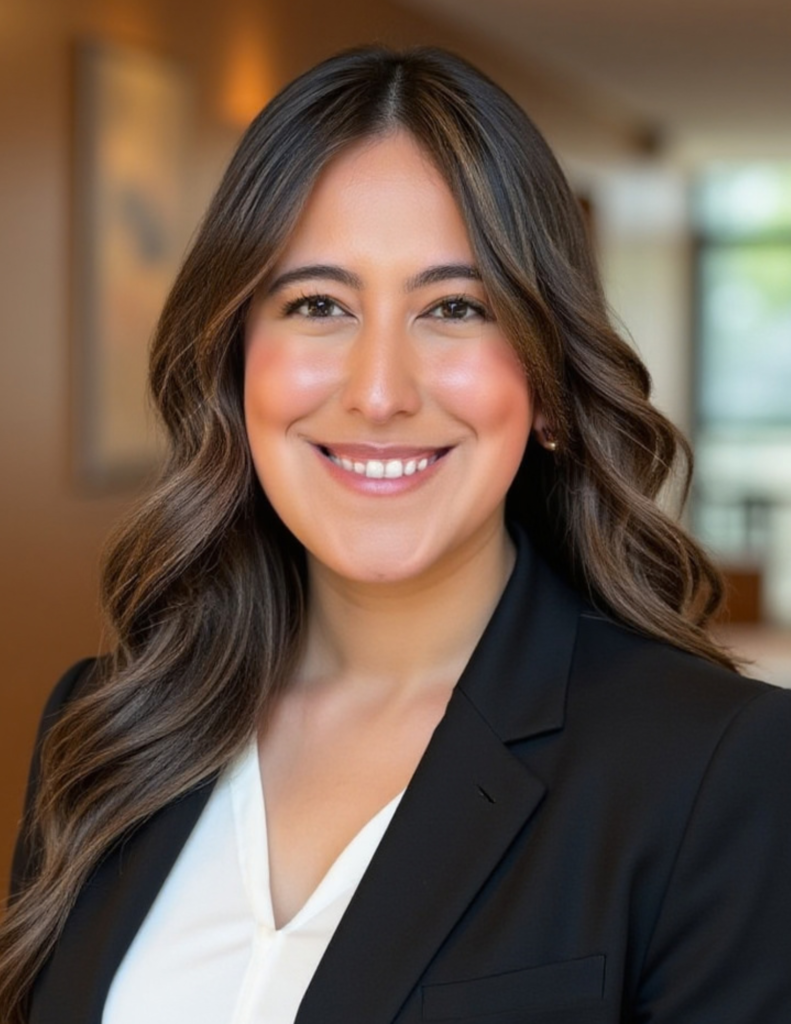
Vanessa Mendoza, AMFT | Couples, Family & Individual Therapist
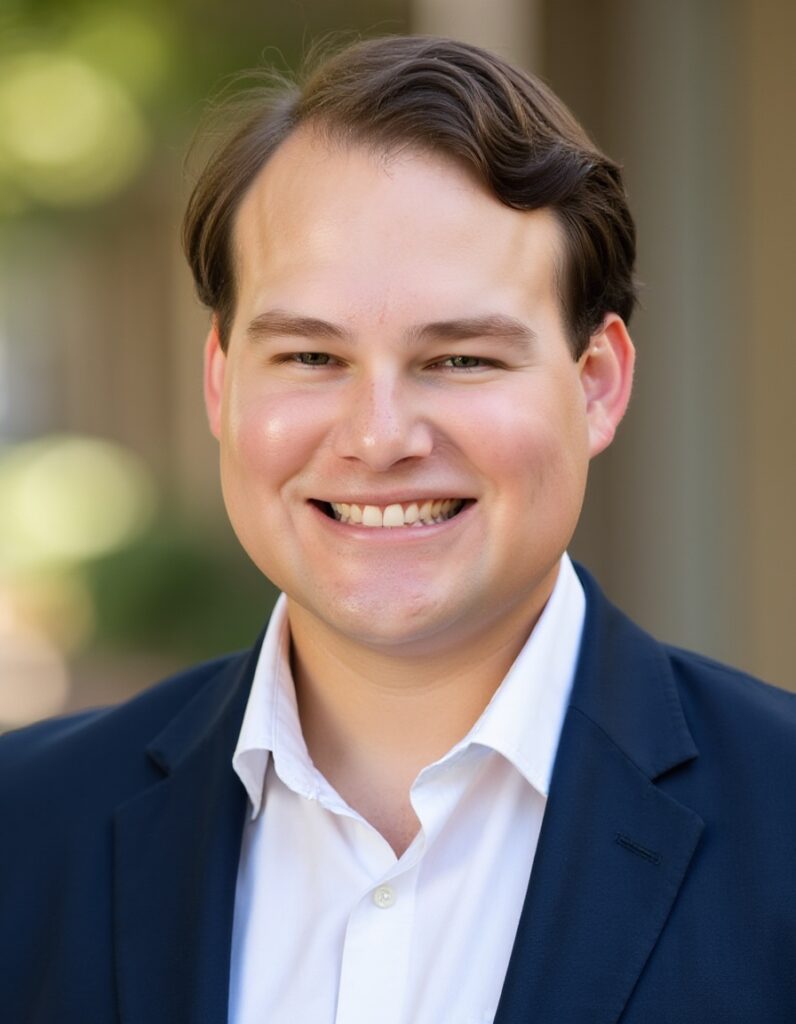
Brendan Bedolla, LPCC
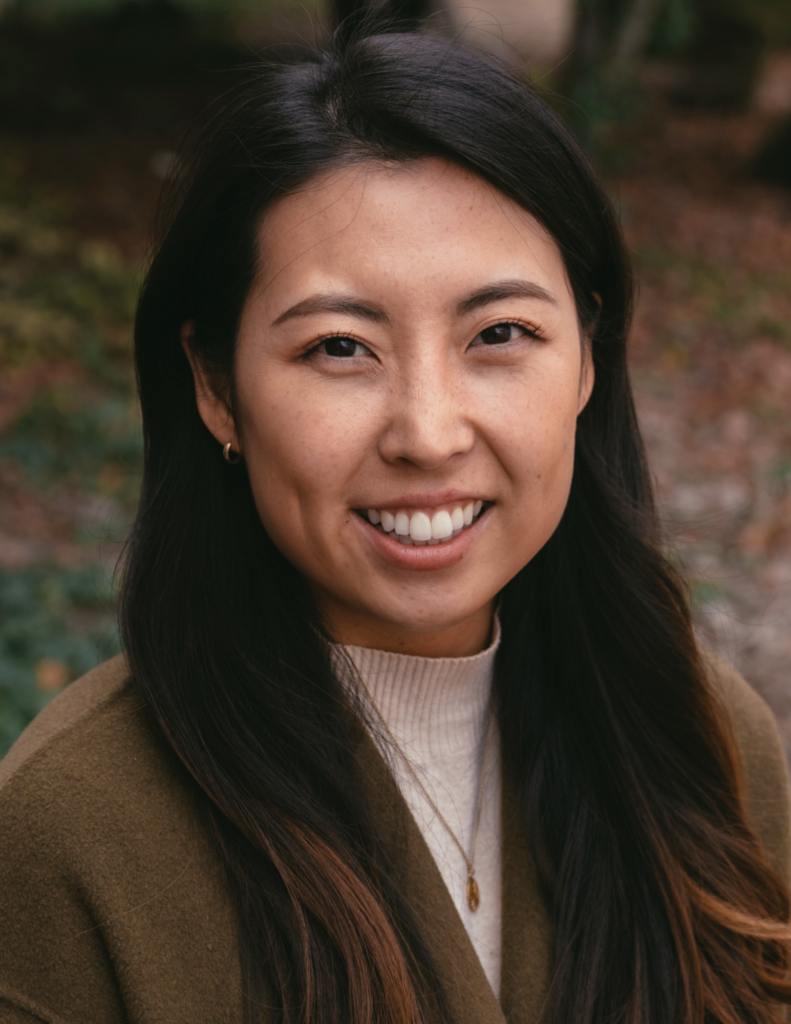
Hope Son, AMFT | Couples & Individual Therapist
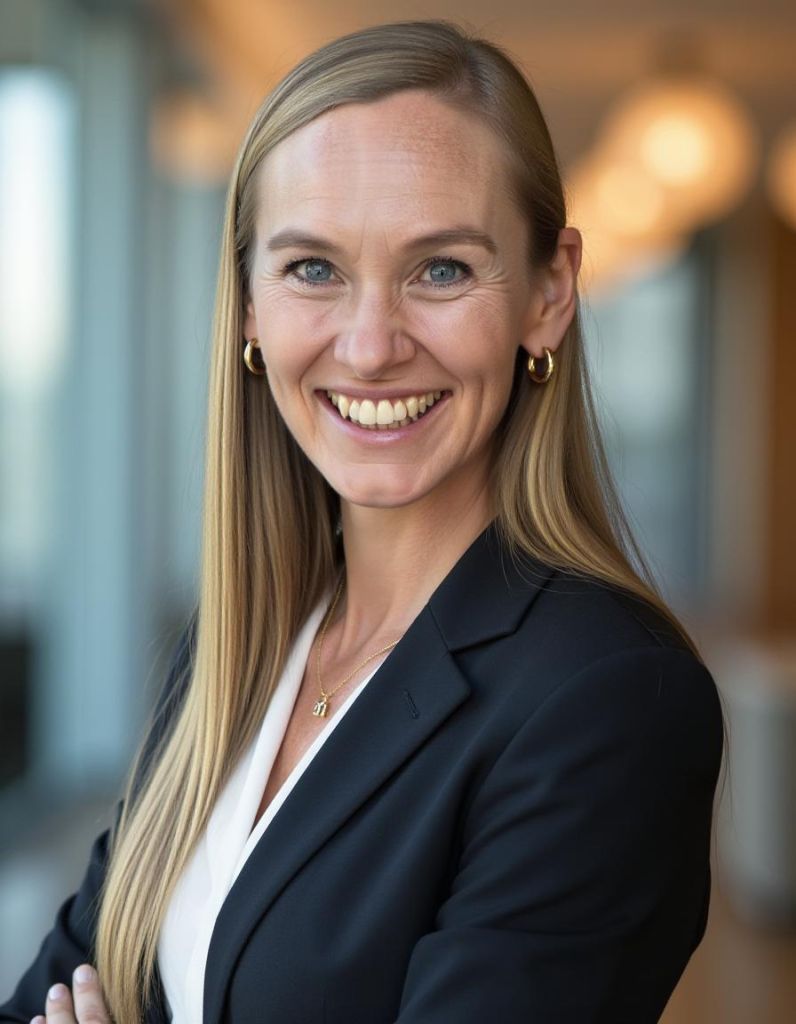
Sarah Covert, AMFT
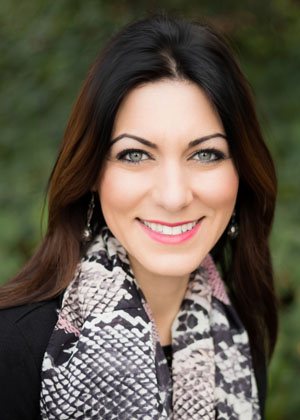
Bella Stitt, LMFT
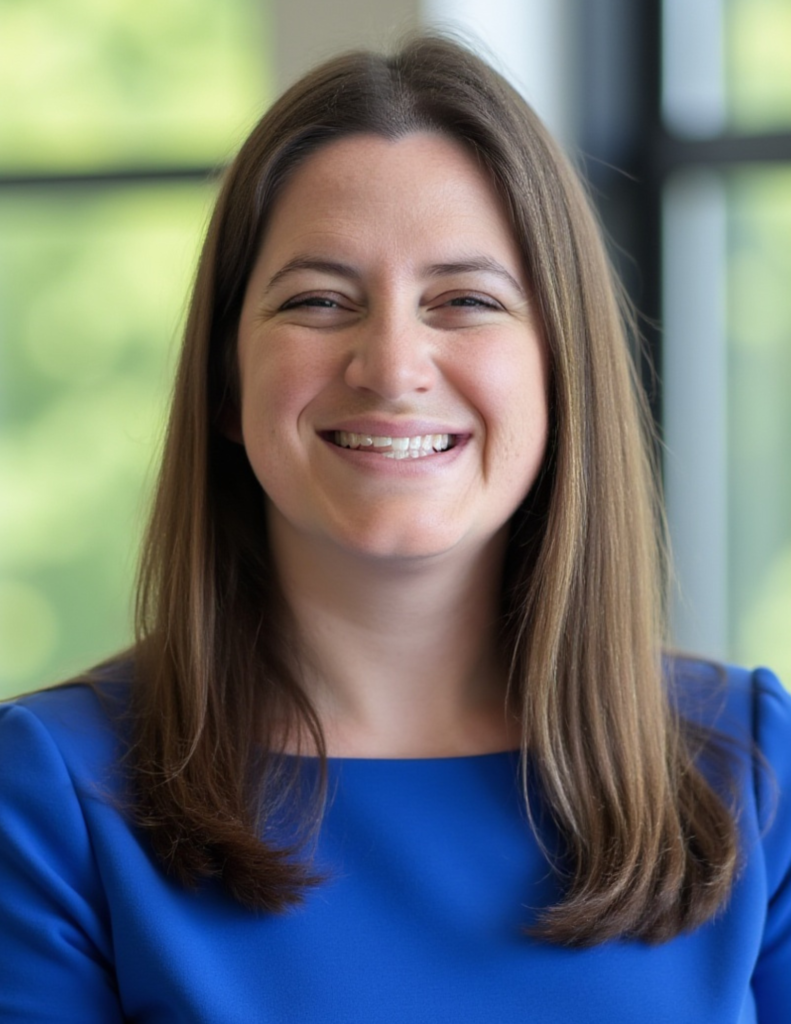
Kelli Morton, LMFT

Sarah Chelew, AMFT
We connect you with a therapist who specializes in couples therapy—no guesswork. You get the right support immediately, before things get worse.