
Therapy can help if you or your child experience:
- Flashbacks, intrusive memories, or nightmares that bring the trauma back vividly
Avoiding people, places, conversations, or situations that are reminders of what happened - Feeling constantly on edge, easily startled, or unable to relax
- Emotional numbness, feeling detached from others, or losing interest in things you used to enjoy
- Irritability, anger outbursts, or difficulty trusting people
- Difficulty sleeping, concentrating, or getting through the day without being overwhelmed
- Guilt, shame, or persistent beliefs that the world is permanently unsafe
What is PTSD Therapy?
PTSD therapy provides structured, compassionate support to help individuals process traumatic experiences, reduce distressing symptoms, and rebuild a sense of safety and connection in everyday life.
Children
Process trauma in age-appropriate ways, rebuild security, and develop emotional regulation skills with the support of caregivers.
Teens & Young Adults
Work through trauma’s impact on identity, relationships, school, and the transition into adulthood.
Adults
Address how trauma is showing up in your work, relationships, and sense of self — and build lasting tools for healing.
Therapy Can Help With
- Processing traumatic memories so they lose their intensity and intrusiveness
- Reducing avoidance behaviors that keep trauma’s grip on daily life
- Learning grounding and regulation skills to manage triggers in the moment
- Rebuilding a sense of safety, trust, and connection with others
- Addressing guilt, shame, and distorted beliefs that developed after trauma
- Supporting caregivers and families in creating a healing environment at home
Our Approach to PTSD Therapy
Our therapists specialize in Cognitive Behavioral Therapy (CBT), a proven approach that helps individuals identify and reframe the unhelpful beliefs that trauma leaves behind — about safety, trust, self-worth, and the world. By addressing these patterns directly, CBT reduces the emotional intensity of trauma-related memories and builds practical tools for managing distress in daily life.
For children, teens, and individuals who have experienced complex or prolonged trauma, we also offer Trauma-Focused CBT (TF-CBT) — a specialized approach that incorporates relaxation, emotional regulation, and guided narrative work in a structured, supportive framework. TF-CBT involves caregivers as active partners in the healing process.
Trauma may have changed how you see the world, but it does not have to define your future. With the right support, healing is possible — no matter how long ago the trauma occurred or how stuck things feel right now.
Other therapeutic approaches may also be incorporated based on individual needs, including:
Play Therapy for Children
Children often cannot process trauma through words alone. Play therapy provides a developmentally appropriate way for children to express, explore, and work through traumatic experiences using the language they know best — play. This approach helps children rebuild a sense of safety and control without requiring them to verbalize what happened.
Mindfulness-Based Techniques
Trauma lives in the body as much as the mind. Mindfulness-based approaches — including grounding exercises, breath work, and body awareness — help clients regulate their nervous system, reduce hypervigilance, and stay present rather than being pulled back into traumatic memories.
Family Therapy
Trauma affects the whole family. When a child or adult is carrying trauma, loved ones often feel helpless, walk on eggshells, or inadvertently respond in ways that reinforce avoidance. Family therapy helps caregivers and partners understand trauma responses, improve communication, and build a home environment that actively supports recovery.
At Palo Alto Therapy, we help kids through adults overcome challenges such as anxiety, depression, relationship difficulties, and life transitions. Our compassionate, highly-trained therapists use evidence-based techniques to create meaningful, lasting results—often without long-term counseling.
With convenient office locations in Palo Alto, Menlo Park, and San Jose, we proudly serve the entire Silicon Valley community – from Stanford University and the Peninsula to the South Bay, offering easy access for tech professionals, students, and families.
Frequently Asked Questions About PTSD Therapy
If a past experience is still affecting your ability to feel safe, sleep well, trust others, or get through your day — therapy can help, whether or not you have a formal PTSD diagnosis. The most important question is not what label fits, but whether your symptoms are causing you distress and getting in the way of the life you want. Our therapists can assess what you’re experiencing and recommend the most effective path forward.
You don’t need a diagnosis to benefit from trauma-focused therapy. Many people who seek support after difficult experiences don’t meet the full criteria for PTSD but are still significantly affected by what happened. If intrusive memories, avoidance, emotional numbness, or anxiety are interfering with your life, therapy can help — and a thorough assessment will clarify what you’re dealing with and what approach makes the most sense.
Fragmented or unclear memories are extremely common with trauma — the brain often processes overwhelming experiences in ways that are incomplete or non-linear. PTSD therapy does not require you to reconstruct a full account of what happened. The focus is on reducing current distress, building regulation skills, and processing emotions — not filling in a timeline.
Therapy is always paced according to your comfort and readiness. You will never be pushed to discuss something before you feel ready. Many effective approaches — including play therapy for children and mindfulness-based techniques — help process trauma without requiring extensive verbal retelling of events. Your therapist will follow your lead.
PTSD symptoms can persist for years or even decades, but healing is still possible regardless of how much time has passed. Many people find that symptoms resurface or intensify during major life transitions, new stressors, or when avoidance strategies stop working. Therapy can help at any stage — it is never too late to begin.
Nightmares and flashbacks are among the most disruptive PTSD symptoms, and they respond well to treatment. Therapy addresses them through grounding techniques that interrupt the trauma response in the moment, processing work that reduces the emotional charge of traumatic memories over time, and practical strategies like imagery rehearsal therapy for nightmares. Most clients see significant reduction in frequency and intensity as treatment progresses.
Yes. PTSD rarely travels alone — anxiety, depression, and panic disorder are among the most common co-occurring conditions. Our therapists are experienced in addressing overlapping symptoms and will design a treatment plan that targets the full picture. In many cases, as trauma symptoms reduce, anxiety and depression improve significantly alongside them.
Duration depends on the nature and complexity of the trauma, how long symptoms have been present, and individual factors like support systems and life stressors. Some clients experience meaningful improvement in a few months of focused work. Complex or prolonged trauma often benefits from longer-term support. Your therapist will give you a realistic picture at your first session and revisit the plan as you progress.
PTSD typically develops in response to a specific traumatic event or events. C-PTSD (Complex PTSD) develops from prolonged, repeated trauma — such as childhood abuse, domestic violence, or ongoing neglect — and involves additional challenges beyond standard PTSD symptoms, including difficulty regulating emotions, a deeply disrupted sense of self, and challenges in relationships and trust. Both are treatable, and our therapists are experienced in working with the full spectrum of trauma presentations.
Yes. We offer both in-person and video therapy sessions across our Palo Alto, Menlo Park, and San Jose offices, as well as telehealth throughout California. Online therapy is a particularly practical option for clients whose trauma involves specific locations, driving, or public spaces — allowing treatment to begin in an environment that already feels safe.
Recognizing Good Therapy

Evidence-Based
Specializing in Cognitive Behavioral Therapy, we provide effective & caring counseling. Our therapists are passionate in delivering high-quality therapy & enhance their skills through the latest trainings.

Strong Relationships
Our relationship with you is valued & of highest importance. We are compassionate, respectful, & honest. Our professional counseling includes working side by side with you towards YOUR goals.

Short-Term & Focused
Our active therapists use tailored homework exercises to help you find relief in a timely manner. By keeping our meetings on track & targeting specific concerns we help you enjoy life again, usually in a matter of months not years.

Client Convenience
Appointments after 5pm & Saturdays, friendly administrative staff, & three locations: Palo Alto, Menlo Park, & San Jose. We help children, teens & adults, couples, & families. Video therapy available!

What Our Clients Are Saying…
Palo Alto Therapy does not just provide talk therapy, but focuses on teaching skills to maintain therapy. You have a genuine interest in the client’s well-being and you offered a new way of thinking about or means of addressing my issues.
What Our Clients Are Saying…
I liked the emphasis on doing concrete things to get results-writing down negative thoughts, trying to say things to counter those thoughts…Thank you for helping me make my life better.
What Our Clients Are Saying…
I found the homework exercises to be very helpful to me. I’ve been able to use techniques I have learned from those exercises to slow down my thoughts when problems arise and work through whatever the issue may be, OCD or otherwise.
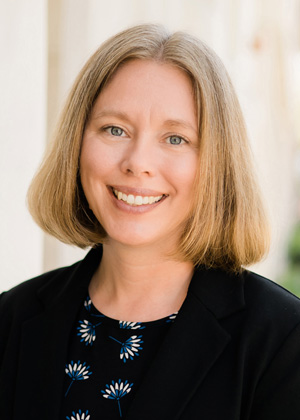
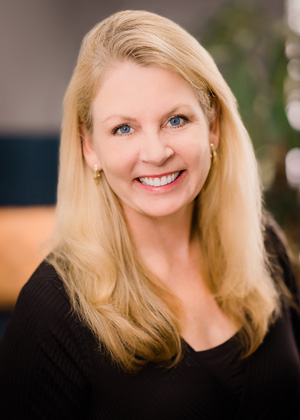
Meet Our Team of Therapists in Palo Alto, Menlo Park, & San Jose working with PTSD
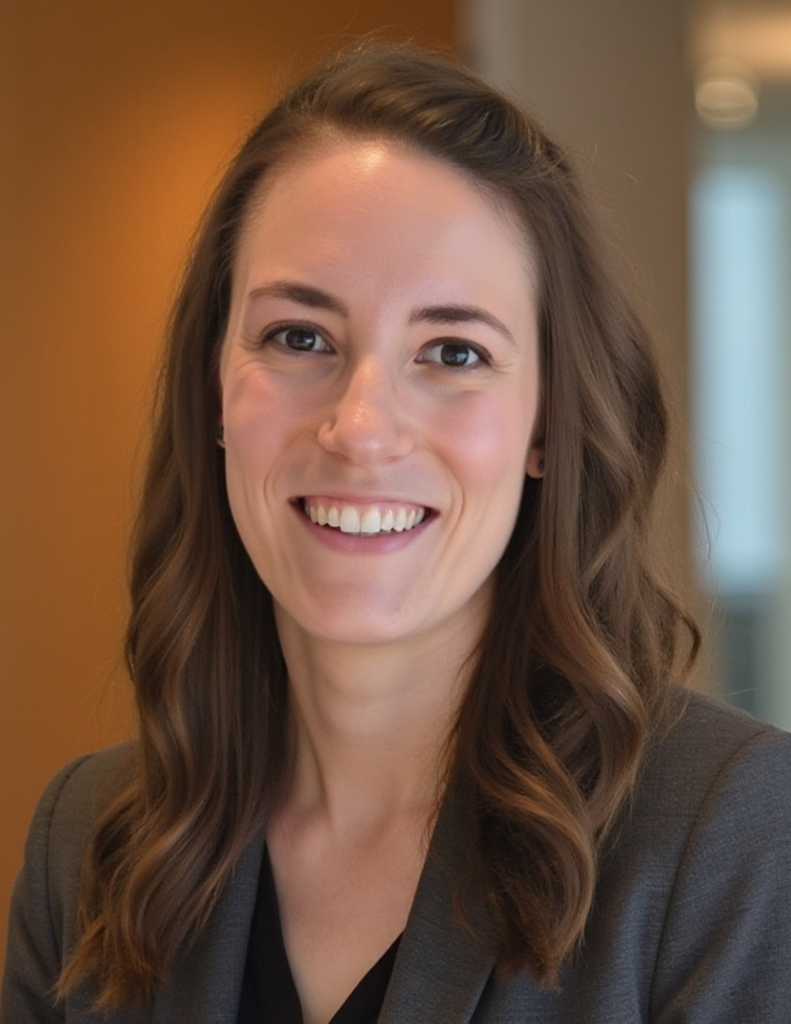
Janika Filipe, AMFT, APCC
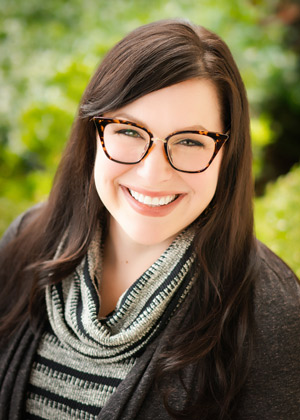
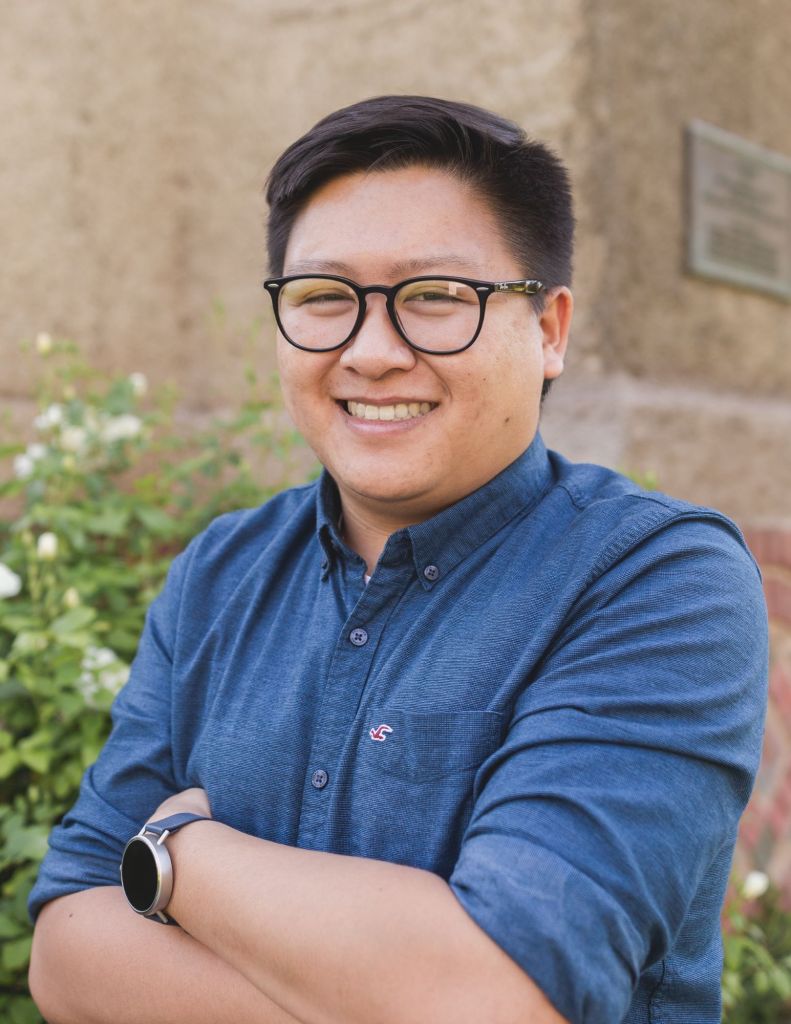

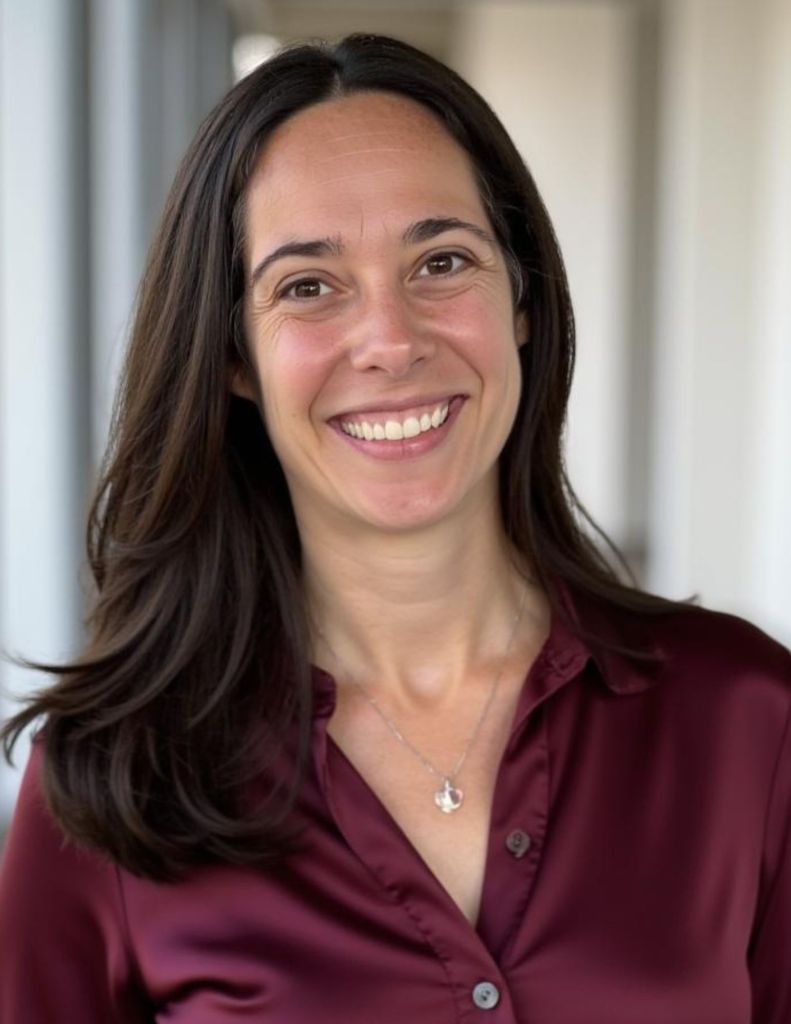
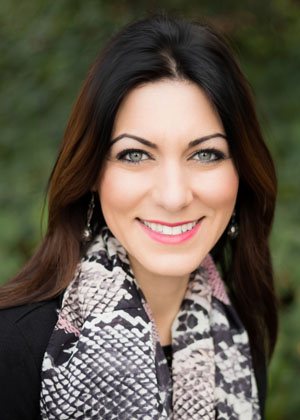


Kitte Anderson, AMFT

Get Support fo PTSD Today
Trauma doesn’t have to keep disrupting your sleep, your relationships, or your sense of safety. With compassionate, evidence-based support from therapists in Palo Alto, San Jose, and Menlo Park — or online throughout California — healing is within reach.